

introduction
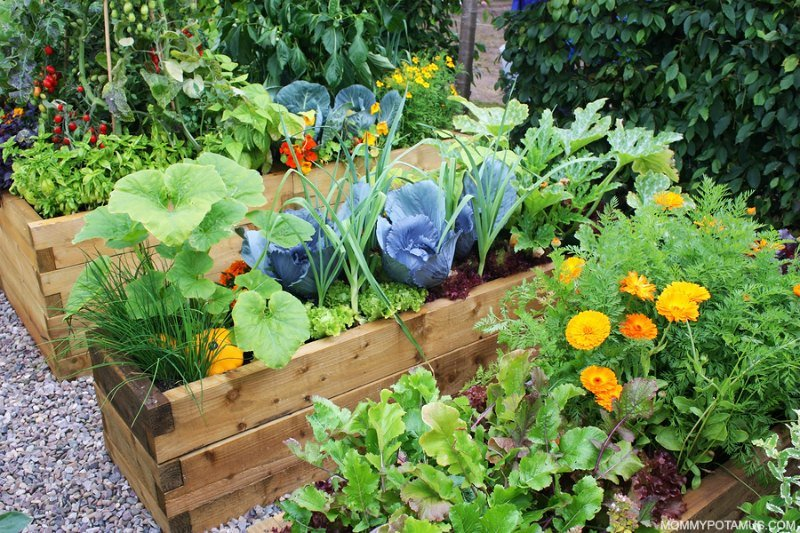
Gardening is one of the most rewarding hobbies you can start, especially if you enjoy spending time outdoors and connecting with nature. For many beginners, however, the idea of starting a garden can feel overwhelming. There are questions about where to begin, what plants to choose, and how to keep everything alive and thriving. The good news is that with the right guidance and a bit of patience, anyone can create a beautiful and productive garden. These garden tips for beginners are designed to simplify the process and help you build confidence from day one.
Starting a garden doesn’t require a large space or professional experience. Whether you have a small balcony, a backyard, or just a few pots near a window, you can grow plants successfully. By understanding the basics of soil, sunlight, watering, and plant care, you can avoid common mistakes and enjoy the process. This guide covers everything you need to know, from foundational concepts to expert advice, so you can develop a thriving garden step by step. Let’s explore how you can turn your gardening dreams into reality.
What is Garden Tips for Beginners?
Garden tips for beginners refer to a set of practical guidelines and techniques that help new gardeners start and maintain a healthy garden. These tips cover essential aspects such as selecting the right plants, preparing soil, watering properly, and understanding seasonal changes. The goal is to simplify gardening so that beginners can avoid confusion and achieve success without unnecessary trial and error.
These tips are especially helpful for people who have little to no experience with plants. Instead of guessing what might work, beginners can follow proven methods that increase their chances of success. For example, learning about the importance of sunlight can help you place plants in the right location, while understanding soil types can improve plant growth.
In essence, garden tips for beginners act as a roadmap. They provide clarity and direction, allowing you to focus on enjoying the process rather than worrying about mistakes. With consistent practice, these tips eventually become habits that lead to long-term gardening success.
Why is Garden Tips for Beginners Important?
Understanding garden tips for beginners is important because it sets the foundation for a successful gardening experience. Without proper knowledge, beginners often face challenges such as plant diseases, poor growth, or even complete plant failure. This can lead to frustration and loss of interest.
One key reason these tips are important is that they help you save time and resources. Instead of experimenting blindly, you can make informed decisions about what to plant and how to care for it. This reduces waste and increases efficiency.
Additionally, these tips help build confidence. When beginners see their plants growing well, they feel motivated to continue and expand their garden. This positive experience encourages learning and creativity.
Another important aspect is sustainability. By following the right practices, you can create an eco-friendly garden that supports biodiversity and reduces environmental impact. Proper watering, composting, and plant selection all contribute to a healthier ecosystem.
Ultimately, garden tips for beginners are essential because they transform a potentially confusing activity into a structured and enjoyable journey.
Detailed Step-by-Step Guide
Step 1: Choose the Right Location
The first step in gardening is selecting the right location. Most plants require at least 6 to 8 hours of sunlight daily, so choose a spot that receives पर्याप्त sunlight. Observe your space throughout the day to understand how sunlight moves.
If you are gardening indoors, place plants near windows that receive natural light. For outdoor gardens, avoid areas with excessive shade or strong winds.
Step 2: Understand Your Soil
Soil plays a crucial role in plant growth. Beginners should test their soil to determine its type—whether it is sandy, clay, or loamy. Loamy soil is generally ideal because it retains moisture while allowing proper drainage.
You can improve soil quality by adding organic matter such as compost or manure. This enriches the soil with nutrients and enhances plant health.
Step 3: Start with Easy Plants
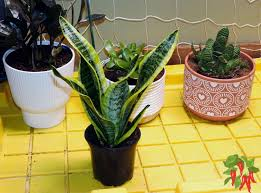
Choosing beginner-friendly plants is one of the most important garden tips for beginners. Start with plants that are easy to grow and maintain, such as:
- Tomatoes
- Mint
- Basil
- Lettuce
- Marigolds
These plants are resilient and require minimal care, making them perfect for beginners.
Step 4: Water Properly
Watering is essential, but overwatering is a common mistake. Most plants prefer consistent moisture rather than excessive water. Check the soil before watering; if the top inch is dry, it’s time to water.
Morning is the best time to water plants because it allows moisture to absorb before the heat of the day.
Step 5: Use the Right Containers
If you are using pots, ensure they have drainage holes to prevent waterlogging. Choose containers that are appropriate for the size of your plants.
Larger plants need bigger containers, while herbs and small plants can thrive in smaller pots.
Step 6: Learn Basic Plant Care
Regular maintenance is key to a healthy garden. This includes:
- Removing weeds
- Pruning dead leaves
- Checking for pests
- Adding fertilizer when needed
By staying consistent, you can prevent problems before they become serious.
Step 7: Be Patient and Observe
Gardening requires patience. Plants take time to grow, and each one has its own pace. Observe your plants regularly to understand their needs and make adjustments accordingly.
Learning from experience is one of the best ways to improve your gardening skills.
Benefits of Garden Tips for Beginners
- Helps beginners avoid common mistakes
- Saves time and money by improving efficiency
- Increases chances of plant survival
- Builds confidence and motivation
- Encourages healthy and sustainable practices
- Provides a structured approach to gardening
- Enhances mental well-being and reduces stress
- Promotes a deeper connection with nature
Disadvantages / Risks
- Initial learning curve can feel overwhelming
- Requires time and consistent effort
- Mistakes can still happen despite following tips
- Some plants may fail due to external factors
- Weather conditions can affect results
- Costs for tools and materials may add up
Common Mistakes to Avoid
One of the most common mistakes beginners make is overwatering. While it may seem like more water helps plants grow faster, it often leads to root rot and other issues.
Another mistake is choosing the wrong plants for your environment. Not all plants thrive in every climate, so it’s important to select ones that suit your conditions.
Ignoring soil quality is also a major problem. Poor soil can limit plant growth even if everything else is done correctly. Always invest time in preparing your soil.
Many beginners also forget about spacing. Planting too close together can restrict growth and increase the risk of disease.
Lastly, impatience can lead to disappointment. Gardening is a gradual process, and expecting quick results can reduce motivation.
FAQs
1. How often should I water my plants?
The frequency of watering depends on the type of plant and environmental conditions. Generally, watering 2 to 3 times a week is sufficient for most plants. Always check the soil before watering.
2. What are the easiest plants for beginners?
Some of the easiest plants include herbs like basil and mint, vegetables like lettuce, and flowers like marigolds. These plants are low-maintenance and grow quickly.
3. Do I need fertilizers for my garden?
Fertilizers can help improve plant growth, but they are not always necessary. If your soil is rich in nutrients, you may not need additional fertilizers. Organic compost is a great natural option.
4. Can I start gardening without a backyard?
Yes, you can start gardening in small spaces such as balconies or even indoors. Container gardening is a popular option for beginners with limited space.
5. How do I protect my plants from pests?
Regularly inspect your plants for signs of pests. You can use natural remedies like neem oil or soapy water to control infestations without harming the plants.
6. How long does it take to see results?
The time varies depending on the type of plant. Some herbs and vegetables grow within a few weeks, while others may take months. Patience is key.
Expert Tips & Bonus Points
To take your gardening skills to the next level, consider these expert tips. First, always label your plants, especially if you are growing multiple varieties. This helps you track growth and care requirements.
Second, rotate your plants if possible. This practice improves soil health and reduces the risk of diseases. It is particularly useful for vegetable gardening.
Another useful tip is to collect rainwater for watering your plants. It is more natural and beneficial compared to tap water.
Mulching is also highly recommended. Adding a layer of mulch helps retain soil moisture, suppress weeds, and regulate temperature.
Additionally, keep a gardening journal. Note down what works and what doesn’t. Over time, this record becomes a valuable resource.
Finally, don’t be afraid to experiment. Gardening is both a science and an art. Trying new plants and techniques can lead to exciting discoveries.
Conclusion
Starting your gardening journey may seem challenging at first, but with the right approach, it becomes an enjoyable and fulfilling experience. These garden tips for beginners provide a solid foundation that helps you understand the essential aspects of gardening. From choosing the right location to maintaining your plants, each step plays a crucial role in achieving success.
Consistency and patience are the keys to a thriving garden. While mistakes are part of the learning process, following proven tips can significantly reduce challenges and improve results. Over time, you will develop your own style and preferences, making gardening even more rewarding.
Remember that gardening is not just about growing plants; it is also about personal growth. It teaches responsibility, observation, and appreciation for nature. Whether you are growing herbs, vegetables, or flowers, the satisfaction of nurturing something from seed to maturity is unmatched.
By applying these garden tips for beginners, you can confidently start your gardening journey and create a space that brings joy, beauty, and relaxation into your life.
