

Introduction
Gardening is one of the most rewarding activities anyone can start, regardless of experience level. Whether you have a spacious backyard or a small balcony, applying simple gardening tips can help you grow healthy plants and create a relaxing green space. Many beginners feel overwhelmed at first, but with the right guidance, gardening becomes easy and enjoyable.
Starting with basic knowledge allows you to avoid common mistakes and build confidence over time. From choosing the right plants to understanding soil quality, every small step contributes to long-term success. These simple gardening tips are designed to make the process smoother and more effective for both beginners and intermediate gardeners.
In addition, gardening is not just about growing plants; it is about building a connection with nature. It reduces stress, improves air quality, and adds beauty to your surroundings. By following practical techniques and maintaining consistency, you can transform even a small area into a thriving garden.
This guide will walk you through everything you need to know, including step-by-step instructions, benefits, risks, and expert advice. By the end, you will have a clear understanding of how to apply simple gardening tips successfully and confidently.
What is Simple Gardening Tips?
Simple gardening tips refer to easy and practical methods used to grow and maintain plants effectively without requiring advanced skills. These tips focus on basic techniques such as proper watering, soil preparation, sunlight exposure, and plant selection.
For beginners, these tips act as a foundation for learning how plants grow and what they need to thrive. Intermediate gardeners can also benefit by refining their techniques and improving plant health. Instead of complicated processes, simple gardening tips emphasize efficiency and consistency.
Examples include watering plants at the right time, using organic compost, and placing plants in suitable sunlight conditions. These small actions make a significant difference in plant growth and overall garden success.
Why is Simple Gardening Tips Important?
Understanding simple gardening tips is essential because they help prevent common problems such as overwatering, poor soil quality, and plant diseases. Without basic knowledge, many gardeners struggle to maintain healthy plants.
These tips also save time and money. Instead of experimenting blindly, you follow proven methods that deliver better results. For instance, knowing how often to water plants can prevent root rot and reduce plant loss.
Another important reason is sustainability. By applying simple gardening tips, you can grow plants naturally without relying heavily on chemicals. This creates a healthier environment and promotes eco-friendly practices.
Moreover, gardening becomes more enjoyable when you see positive results. When plants grow well, it motivates you to continue and expand your garden further.
Detailed Step-by-Step Guide
Step 1: Choose the Right Location
Select a spot that receives adequate sunlight. Most plants require at least 6 hours of sunlight daily. Observe your space before planting to ensure proper light exposure.
Step 2: Prepare the Soil
Healthy soil is the foundation of gardening. Use well-draining soil mixed with compost to provide essential nutrients. Avoid using poor-quality soil, as it affects plant growth.
Step 3: Select Suitable Plants
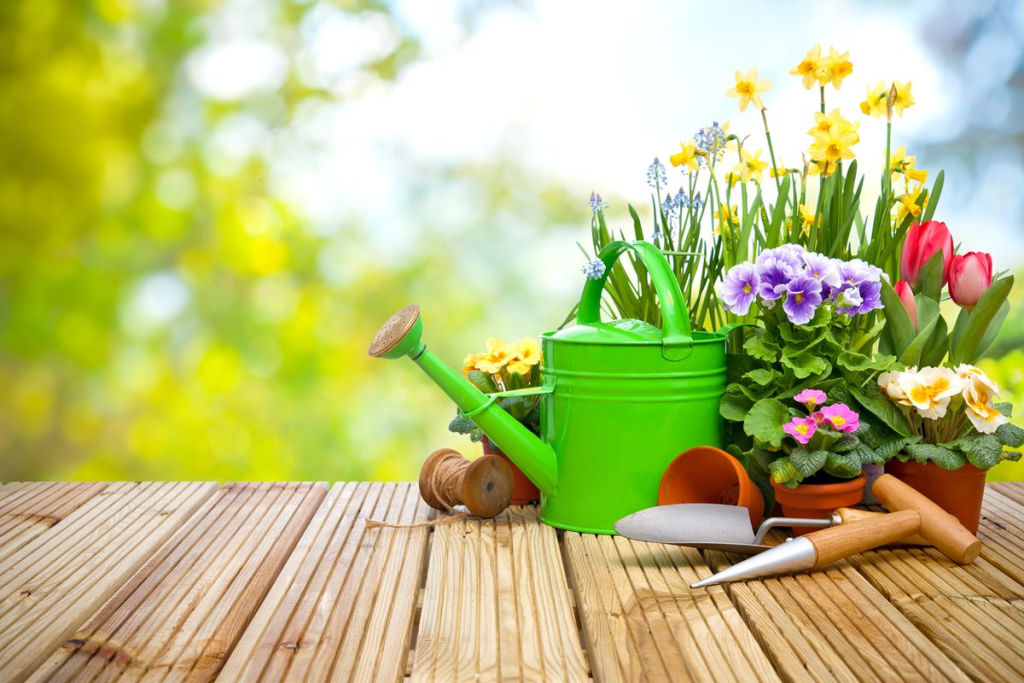
Start with easy-to-grow plants such as herbs, vegetables, or flowering plants. Choose plants that match your climate and available space.
Step 4: Water Properly
Watering is one of the most important simple gardening tips. Avoid overwatering or underwatering. Water plants early in the morning or late in the evening for best results.
Step 5: Use Fertilizers Wisely
Apply organic fertilizers to improve soil fertility. Avoid excessive use, as it can harm plants instead of helping them grow.
Step 6: Provide Proper Spacing
Do not overcrowd plants. Proper spacing allows air circulation and reduces the risk of diseases.
Step 7: Control Weeds
Remove weeds regularly to prevent them from competing with your plants for nutrients and water.
Step 8: Monitor Plant Health
Check your plants frequently for signs of pests or diseases. Early detection helps prevent serious damage.
Step 9: Prune Regularly
Trim dead or damaged leaves to encourage new growth and maintain plant shape.
Step 10: Stay Consistent
Consistency is key in gardening. Follow a routine for watering, feeding, and maintenance to achieve the best results.
Benefits of Simple Gardening Tips
- Helps beginners start gardening with confidence
- Improves plant growth and overall health
- Saves time and effort through efficient practices
- Reduces the risk of plant diseases
- Promotes eco-friendly and sustainable gardening
- Enhances the beauty of your living space
- Provides fresh and healthy produce at home
- Reduces stress and improves mental well-being
Disadvantages / Risks
- Incorrect application can harm plants
- Overwatering may lead to root rot
- Poor plant selection can result in failure
- Lack of consistency affects growth
- Ignoring pests can damage the entire garden
- Using too much fertilizer can burn plants
Common Mistakes to Avoid
One common mistake is overwatering plants. Many beginners believe more water leads to better growth, but it often causes damage. Always check soil moisture before watering.
Another mistake is choosing the wrong plants for your climate. Not all plants grow well in every environment, so it is important to select wisely.
Ignoring soil quality is also a major issue. Plants rely heavily on soil nutrients, so using poor soil leads to weak growth.
Overcrowding plants can limit their growth and increase disease risk. Proper spacing is essential for healthy development.
Lastly, neglecting regular maintenance such as pruning and weeding can quickly ruin your garden. Staying consistent is crucial for success.
FAQs
1. How often should I water my plants?
Watering depends on the plant type and weather conditions. Generally, watering 2–3 times a week is sufficient, but always check soil moisture before watering.
2. What are the easiest plants for beginners?
Herbs like basil, mint, and parsley are great choices. Vegetables such as tomatoes and lettuce are also easy to grow.
3. Can I garden without a backyard?
Yes, you can use containers, pots, or balcony spaces. Container gardening is perfect for small areas.
4. How do I improve soil quality?
Mix compost or organic matter into the soil. This improves nutrient content and drainage.
5. What is the best time to plant?
The best time depends on the plant type, but generally, spring and early summer are ideal for most plants.
6. How do I protect plants from pests?
Use natural methods such as neem oil or homemade sprays. Regular inspection also helps detect pests early.
Expert Tips & Bonus Points
Start small instead of planting too many plants at once. This allows you to focus on learning and improving your skills.
Keep a gardening journal to track plant growth, watering schedules, and observations. This helps you understand what works best.
Use mulch to retain soil moisture and reduce weed growth. It also improves soil quality over time.
Rotate crops if you are growing vegetables. This prevents soil depletion and reduces pest problems.
Always use clean tools to avoid spreading diseases between plants. Proper hygiene is often overlooked but very important.
Experiment with different plants and techniques as you gain confidence. Gardening is a continuous learning process.
Conclusion
Gardening does not have to be complicated. By following simple gardening tips, anyone can grow healthy plants and enjoy the process. The key is to start with the basics, stay consistent, and learn from experience. Small efforts can lead to significant results over time.
These simple gardening tips help you avoid common mistakes and build a strong foundation. From selecting the right plants to maintaining soil quality, each step plays a crucial role in your success. Even if you face challenges, patience and persistence will help you improve.
Gardening is more than just a hobby; it is a way to connect with nature and create a peaceful environment. It brings satisfaction, improves well-being, and adds value to your home. By applying these techniques, you can turn any space into a beautiful and productive garden.
In the end, success in gardening comes from understanding your plants and caring for them regularly. With dedication and the right approach, you can enjoy the benefits of a thriving garden for years to come
