

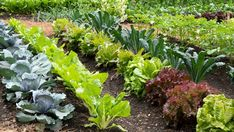
Introduction
Choosing the best plants for outdoor garden spaces can completely change the look and feel of your home. A well-planned garden not only adds beauty but also creates a peaceful environment where you can relax and enjoy nature. Whether you have a small backyard or a large lawn, the right plants can make a big difference.
Many beginners feel confused when selecting plants because there are so many options available. Some plants need full sunlight, while others grow better in shade. Similarly, certain plants require more water and care, while others are low-maintenance. Understanding these differences is the key to building a successful garden.
In addition, climate and soil conditions play an important role in plant growth. If you choose plants that are suitable for your local environment, you will get better results with less effort. That is why learning about the best plants for outdoor garden setups is so important before you start planting.
This guide is designed for both beginners and intermediate gardeners. It explains everything in simple English, so you can easily follow along and apply the tips. From understanding plant types to avoiding common mistakes, this article covers all essential aspects. By the end, you will feel confident enough to create a beautiful outdoor garden that thrives all year round.
What is Best Plants for Outdoor Garden?
The term best plants for outdoor garden refers to plants that grow well in open spaces such as backyards, lawns, patios, or terraces. These plants are selected based on climate, sunlight exposure, soil type, and maintenance level.
Outdoor garden plants can include flowers, shrubs, trees, herbs, and even vegetables. Each type serves a different purpose. For example, flowers add color, shrubs provide structure, and trees offer shade.
Moreover, the best plants are those that match your gardening goals. If you want a colorful garden, flowering plants like roses and marigolds are ideal. If you prefer a low-maintenance garden, plants like succulents or lavender are better choices.
In simple terms, the best plants for outdoor garden are those that are easy to grow, suit your environment, and meet your design preferences.
Why is Best Plants for Outdoor Garden Important?
Selecting the best plants for outdoor garden is important for several reasons. First, it ensures healthy plant growth. When plants are suited to their environment, they require less effort and thrive naturally.
Second, the right plants improve the overall appearance of your garden. A well-designed garden with suitable plants looks attractive and organized.
Third, choosing the correct plants saves time and money. If you plant something that is not suitable for your climate, it may die quickly, leading to waste.
Additionally, outdoor plants contribute to better air quality and create a calming atmosphere. They also attract birds and butterflies, making your garden lively and enjoyable.
Therefore, understanding and selecting the best plants for outdoor garden is not just about decoration. It is about creating a sustainable and beautiful outdoor space.
Detailed Step-by-Step Guide
Step 1: Understand Your Climate
Before choosing plants, study your local climate. Some plants grow better in warm weather, while others prefer cooler conditions.
Check whether your area receives heavy rainfall or remains dry. This information will help you select plants that can survive easily.
Step 2: Analyze Sunlight Availability
Observe how much sunlight your garden receives daily.
- Full sun: 6–8 hours of sunlight
- Partial shade: 3–5 hours
- Full shade: less than 3 hours
Plants like sunflowers need full sun, while ferns prefer shade. Matching plants with sunlight is essential for growth.
Step 3: Check Soil Type
Soil quality affects plant health. Test your soil to see if it is sandy, clay, or loamy.
- Sandy soil drains quickly
- Clay soil retains water
- Loamy soil is ideal for most plants
You can improve soil by adding compost or organic matter.
Step 4: Choose the Right Plants
Now select the best plants for outdoor garden based on your findings. Some popular options include:
- Flowers: Roses, marigolds, petunias
- Shrubs: Boxwood, hydrangea
- Trees: Maple, neem
- Herbs: Basil, mint
Choose a mix of plants for variety and balance.
Step 5: Plan the Layout
Design your garden layout before planting. Place taller plants at the back and shorter ones at the front.
Also, leave enough space between plants so they can grow properly.
Step 6: Plant Properly
Dig holes according to the plant size. Place the plant carefully and cover the roots with soil.
Water immediately after planting to help the roots settle.
Step 7: Water and Maintain
Regular watering is important, but avoid overwatering.
Also, remove weeds and trim plants when needed. Maintenance keeps your garden healthy and neat.
Benefits of Best Plants for Outdoor Garden
- Enhances the beauty of your home
- Improves air quality naturally
- Provides a relaxing environment
- Supports biodiversity like birds and insects
- Increases property value
- Offers fresh herbs and vegetables
- Reduces stress and boosts mental health
Disadvantages / Risks
- Requires regular maintenance and time
- Some plants attract pests or insects
- Incorrect plant selection may lead to failure
- Watering and fertilizers can increase costs
- Seasonal changes can affect plant growth
Common Mistakes to Avoid
One common mistake is choosing plants without understanding the climate. This often leads to poor growth or plant death.
Another mistake is overwatering. Many beginners think more water means better growth, but it can damage roots.
Planting too close together is also a problem. It restricts growth and causes competition for nutrients.
Ignoring soil quality is another issue. Without proper soil, even the best plants for outdoor garden will struggle.
Lastly, lack of planning can result in an unorganized garden. Always design your layout before planting.
FAQs
1. What are the easiest plants for beginners?
Easy plants include marigolds, mint, basil, and succulents. These require less care and grow quickly.
2. How often should I water outdoor plants?
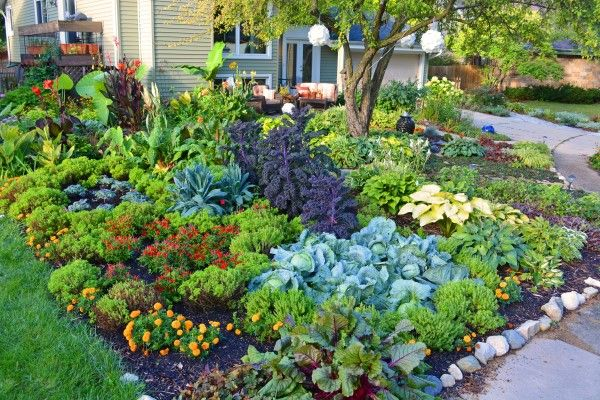
It depends on the plant type and weather. Most plants need watering 2–3 times a week, but always check soil moisture first.
3. Can I grow vegetables in an outdoor garden?
Yes, vegetables like tomatoes, spinach, and peppers grow well outdoors if they receive enough sunlight and water.
4. What is the best soil for gardening?
Loamy soil is considered the best because it balances drainage and nutrient retention.
5. How do I protect plants from pests?
Use natural methods like neem oil or introduce beneficial insects. Regular inspection also helps prevent infestations.
6. Do outdoor plants need fertilizer?
Yes, fertilizers provide essential nutrients. Organic compost is a great option for healthy growth.
Expert Tips & Bonus Points
Start with a few plants instead of filling your garden all at once. This helps you learn and manage easily.
Choose native plants whenever possible because they adapt better to local conditions.
Use mulch to retain soil moisture and reduce weeds.
Rotate plants seasonally to keep your garden fresh and productive.
Keep gardening tools clean and organized for better efficiency.
Observe your plants regularly. Early detection of problems can save your garden.
Conclusion
Creating a beautiful outdoor garden becomes much easier when you understand how to choose the best plants for outdoor garden spaces. The right plants not only improve the appearance of your home but also create a peaceful and refreshing environment. By considering factors like climate, sunlight, and soil, you can ensure that your garden thrives with minimal effort.
Throughout this guide, we discussed the importance of proper planning, plant selection, and maintenance. These steps are essential for both beginners and experienced gardeners. When you follow a structured approach, you reduce the chances of mistakes and increase your success rate.
It is also important to remember that gardening is a continuous learning process. You may face challenges in the beginning, but with time and experience, you will become more confident. Start small, observe your plants, and gradually expand your garden.
In the end, the goal is to create a space that brings you joy and relaxation. With the right knowledge and effort, you can transform any outdoor area into a beautiful green paradise.
