

Introduction
Gardening is one of the most rewarding activities you can start, whether you have a large backyard or a small balcony. With the right approach, even beginners can turn simple spaces into green, refreshing environments. Easy garden ideas are perfect for those who want to enjoy nature without feeling overwhelmed by complex techniques or high maintenance routines.
Many people believe gardening requires expertise, expensive tools, or a lot of time. However, that is not true. With a few simple steps and creative thinking, anyone can build a thriving garden. From container gardening to vertical setups, there are countless ways to get started with minimal effort.
In this guide, you will discover practical and easy garden ideas that suit both beginners and intermediate gardeners. You will also learn how to plan, plant, and maintain your garden effectively. By the end, you will have a clear roadmap to transform your space into a beautiful and relaxing green area.
What is Easy Garden Ideas?
Easy garden ideas refer to simple, low-maintenance gardening methods that require minimal effort, time, and resources. These ideas focus on making gardening accessible to everyone, especially beginners who may not have much experience.
Instead of complicated landscaping or advanced horticulture techniques, easy garden ideas emphasize practicality. This includes using containers, choosing hardy plants, and designing spaces that are easy to maintain.
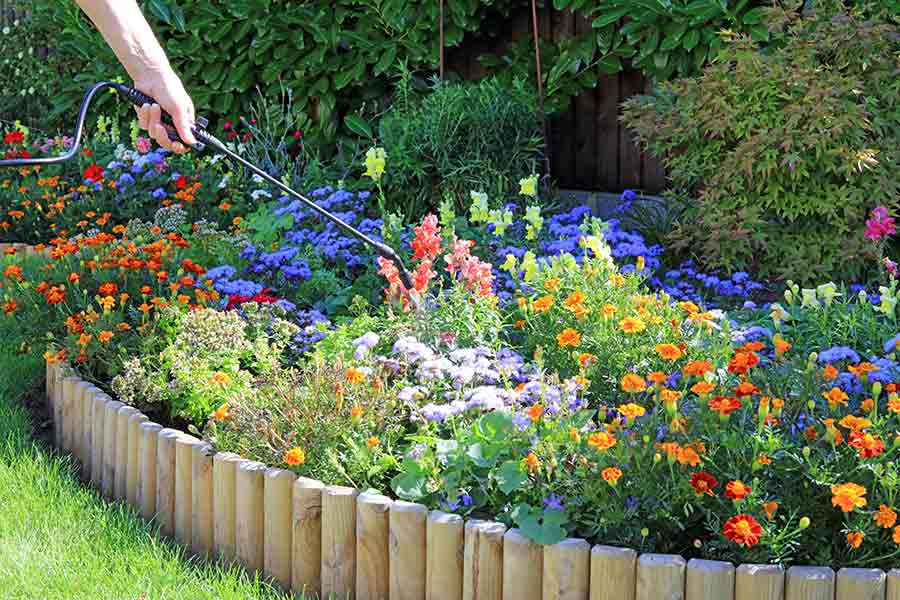
For example, growing herbs in pots, using recycled containers, or creating a small flower bed are all considered easy garden ideas. These approaches reduce stress and allow you to enjoy gardening without worrying about failure.
Overall, easy garden ideas are about simplifying the gardening process while still achieving beautiful and satisfying results.
Why is Easy Garden Ideas Important?
Easy garden ideas play an important role in making gardening more inclusive and enjoyable. Many people avoid gardening because they think it is difficult or time-consuming. However, simple methods remove these barriers and encourage more people to try it.
First, easy garden ideas save time. Busy individuals can still maintain a garden without spending hours every day. Second, they reduce costs by using affordable materials and low-maintenance plants.
Additionally, these ideas promote sustainability. By growing your own herbs or vegetables, you reduce reliance on store-bought produce. This not only saves money but also ensures fresh and healthy food.
Moreover, gardening has mental health benefits. It reduces stress, improves mood, and provides a sense of achievement. Easy garden ideas make it possible for anyone to experience these benefits without feeling overwhelmed.
In short, easy garden ideas make gardening practical, affordable, and enjoyable for everyone.
Detailed Step-by-Step Guide
Step 1: Choose the Right Location
Start by selecting a suitable location for your garden. This could be a backyard, balcony, rooftop, or even a windowsill.
Make sure the area gets enough sunlight, as most plants need at least 4–6 hours of sunlight daily. Also, consider accessibility so you can easily water and care for your plants.
Step 2: Decide the Type of Garden
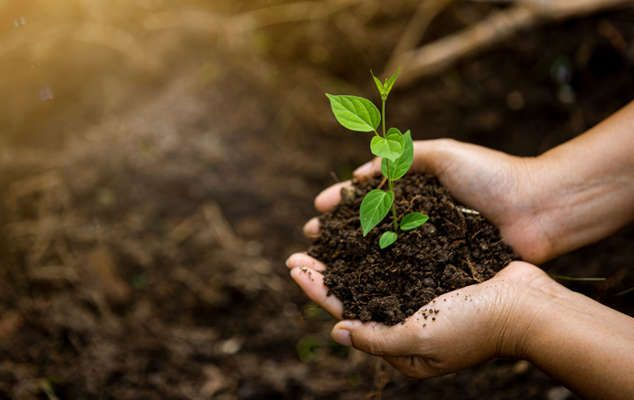
There are different types of gardens you can choose from depending on your space and preference.
- Container garden for small spaces
- Vertical garden for walls
- Raised beds for better soil control
- Indoor garden for limited outdoor space
Choosing the right type will make your gardening experience much easier.
Step 3: Select Easy-to-Grow Plants
One of the best easy garden ideas is to start with plants that are simple to grow.
Examples include:
- Herbs like mint, basil, and coriander
- Vegetables like tomatoes and lettuce
- Flowers like marigolds and petunias
These plants require less maintenance and are ideal for beginners.
Step 4: Prepare the Soil
Good soil is essential for healthy plants. Use a mix of garden soil, compost, and sand for proper drainage.
If you are using containers, make sure they have drainage holes to prevent waterlogging. Healthy soil ensures better growth and reduces plant diseases.
Step 5: Plant Carefully
Follow proper spacing and planting depth for each plant. Avoid overcrowding, as it can limit growth and increase the risk of pests.
Water the plants immediately after planting to help them settle into the soil.
Step 6: Water Regularly
Watering is a crucial part of gardening. However, overwatering can harm plants.
Check the soil before watering. If it feels dry, then water your plants. Early morning or evening is the best time to water.
Step 7: Add Fertilizers
Use organic fertilizers like compost or manure to provide nutrients. This improves plant health and increases yield.
Avoid excessive use of chemical fertilizers, as they can damage the soil over time.
Step 8: Control Pests Naturally
Pests can damage your garden if not controlled. Use natural methods such as neem oil or homemade sprays.
You can also plant pest-repellent plants like basil or marigold to protect your garden.
Step 9: Maintain and Prune
Regular maintenance keeps your garden healthy. Remove dead leaves, trim overgrown plants, and keep the area clean.
Pruning helps plants grow better and improves their appearance.
Benefits of Easy Garden Ideas
- Saves time and effort
- Suitable for beginners
- Low cost and budget-friendly
- Improves mental health and reduces stress
- Provides fresh and organic produce
- Enhances home aesthetics
- Encourages eco-friendly living
- Requires minimal tools and equipment
Disadvantages / Risks
- Limited variety of plants in small spaces
- Some plants may still require attention
- Weather conditions can affect growth
- Initial setup may take some effort
- Pests and diseases can still occur
Common Mistakes to Avoid
Many beginners make simple mistakes that can affect their gardening success. Avoiding these errors will help you achieve better results.
One common mistake is overwatering. Too much water can damage roots and lead to plant diseases. Always check the soil before watering.
Another mistake is choosing the wrong plants. Not all plants are suitable for every environment. Always select plants based on your climate and space.
Ignoring sunlight requirements is also a major issue. Plants need proper light to grow, so place them in suitable locations.
Using poor-quality soil can limit plant growth. Always use nutrient-rich soil for better results.
Lastly, lack of maintenance can harm your garden. Regular care is essential for healthy plants.
FAQs
1. What are the easiest plants for beginners?
The easiest plants include herbs like mint and basil, vegetables like lettuce and tomatoes, and flowers like marigolds. These plants require minimal care and grow quickly.
2. Can I start a garden without a backyard?
Yes, you can start a garden on a balcony, rooftop, or even indoors. Container gardening is one of the best easy garden ideas for small spaces.
3. How often should I water my plants?
Watering depends on the plant type and weather conditions. Generally, watering once a day or every other day is enough. Always check the soil before watering.
4. Do I need expensive tools for gardening?
No, you can start gardening with basic tools like a small shovel, watering can, and containers. Easy garden ideas focus on simplicity and affordability.
5. How can I protect my plants from pests?
Use natural pest control methods like neem oil, garlic spray, or planting pest-repellent plants. Regular inspection also helps in early detection.
6. What is the best time to start gardening?
The best time depends on your climate, but spring is generally ideal. However, you can start indoor gardening at any time of the year.
Expert Tips & Bonus Points
Start small and expand gradually. This helps you learn without feeling overwhelmed.
Use recycled materials like old bottles or containers for planting. This saves money and promotes sustainability.
Group plants with similar needs together. This makes watering and care easier.
Keep a gardening journal to track plant growth and improvements.
Experiment with different easy garden ideas to find what works best for your space.
Always observe your plants. They often show signs if something is wrong, such as yellow leaves or slow growth.
Conclusion
Gardening does not have to be complicated or time-consuming. With the right approach, anyone can create a beautiful and functional garden using easy garden ideas. These methods are designed to simplify the process, making it accessible for beginners while still offering value to intermediate gardeners.
By choosing the right location, selecting easy-to-grow plants, and following simple maintenance steps, you can enjoy a thriving garden without stress. Additionally, the benefits of gardening go beyond aesthetics. It improves mental health, provides fresh produce, and encourages a sustainable lifestyle.
While there may be some challenges, they can easily be managed with proper care and knowledge. Avoid common mistakes, stay consistent, and keep learning from your experience.
In the end, easy garden ideas are about enjoying the process and connecting with nature. Whether you start with a single pot or a small garden bed, every step brings you closer to a greener and more peaceful environment.
