

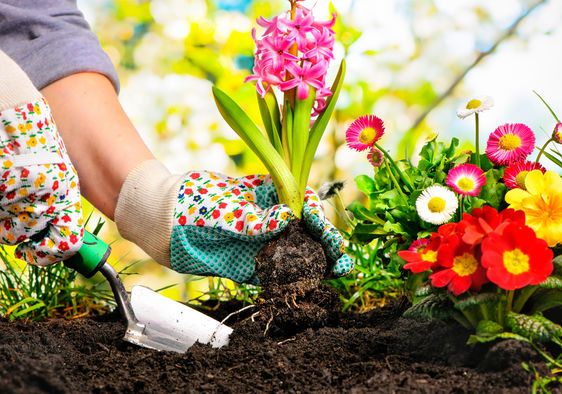
Introduction
Learning how to start a garden can feel overwhelming at first, especially if you have never worked with soil, plants, or outdoor spaces before. However, gardening is one of the most rewarding activities you can take on. It connects you with nature, improves your mental well-being, and even provides fresh, healthy food right from your backyard. Whether you have a large yard, a small balcony, or just a few pots, you can create a thriving garden with the right approach.
Many beginners assume gardening requires advanced skills or expensive tools, but that is not true. With basic knowledge, patience, and consistency, anyone can learn how to start a garden successfully. The key is to begin with simple steps, understand your environment, and gradually build your confidence as you grow.
In this guide, you will discover everything you need to know about how to start a garden, from selecting the right location to choosing plants and maintaining them properly. This article is designed for both beginners and those with some experience who want to improve their gardening skills. By the end, you will have a clear roadmap to create a beautiful and productive garden that suits your space and lifestyle.
What is How to Start a Garden?
At its core, how to start a garden refers to the process of planning, creating, and maintaining a space where plants can grow. This includes everything from preparing the soil and selecting plants to watering, fertilizing, and protecting them from pests.
A garden can take many forms depending on your preferences and available space. For example, it could be a vegetable garden, a flower garden, a herb garden, or even a mix of all three. Some people grow plants in open ground, while others prefer container gardening on balconies or rooftops.
Understanding how to start a garden means learning the basics of plant care and adapting them to your environment. It is not about perfection but about creating a system where plants can thrive. Over time, as you gain experience, you can experiment with different techniques and expand your garden.
Why is How to Start a Garden Important?
Knowing how to start a garden is important for several reasons, especially in today’s fast-paced world where people are increasingly disconnected from nature.
First, gardening promotes a healthier lifestyle. Growing your own fruits and vegetables ensures access to fresh, chemical-free food. It also encourages better eating habits.
Second, it has strong mental health benefits. Spending time in a garden reduces stress, improves mood, and provides a sense of accomplishment. Watching plants grow from seeds to full maturity can be deeply satisfying.
Third, understanding how to start a garden helps you make better use of available space. Even small areas can be transformed into productive green spaces.
Finally, gardening contributes to environmental sustainability. Plants improve air quality, support biodiversity, and reduce your carbon footprint.
Detailed Step-by-Step Guide
Step 1: Choose the Right Location
The first step in learning how to start a garden is selecting the right location. Most plants require at least 6–8 hours of sunlight daily. Observe your space and identify areas that receive sufficient sunlight.
Avoid spots with poor drainage or strong winds. If you are gardening indoors or on a balcony, make sure the area gets enough light.
Step 2: Decide What to Grow
Before planting anything, decide what type of garden you want. Beginners should start with easy-to-grow plants such as:
- Tomatoes
- Spinach
- Mint
- Basil
- Marigolds
Choosing the right plants based on your climate and season is essential when learning how to start a garden.
Step 3: Test and Prepare the Soil
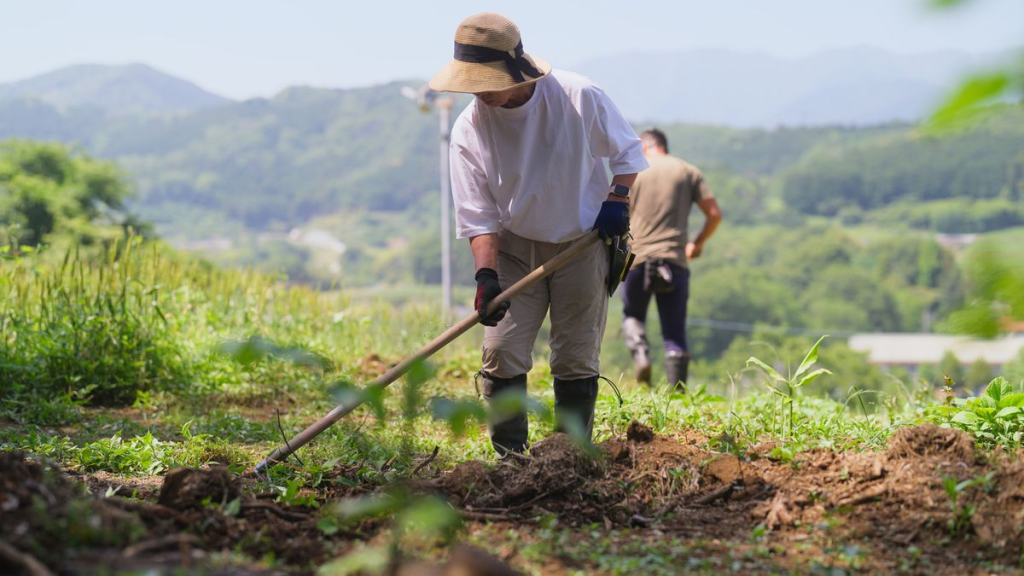
Healthy soil is the foundation of a successful garden. Check if your soil is sandy, clay-heavy, or balanced. You can improve it by adding compost or organic matter.
Loosen the soil to allow roots to grow easily. Remove weeds, stones, and debris before planting.
Step 4: Gather Basic Tools
You do not need expensive equipment to begin. Essential tools include:
- Hand trowel
- Watering can or hose
- Gardening gloves
- Pruning scissors
- Rake
Having these tools makes the process of how to start a garden much easier and more efficient.
Step 5: Start Planting
You can either plant seeds or buy young plants from a nursery. Seeds are more affordable but require patience, while seedlings grow faster.
Follow spacing instructions carefully. Overcrowding can limit plant growth and lead to disease.
Step 6: Water Properly
Watering is one of the most important aspects of how to start a garden. Plants need consistent moisture, but overwatering can damage roots.
Water early in the morning or late in the evening to reduce evaporation. Make sure the soil stays moist but not soggy.
Step 7: Add Fertilizer
Plants need nutrients to grow strong. Use organic fertilizers such as compost, manure, or natural plant food.
Avoid excessive use of chemical fertilizers, as they can harm soil health over time.
Step 8: Protect from Pests
Pests can damage your plants if not controlled. Common solutions include:
- Neem oil spray
- Hand-picking insects
- Using natural repellents
Keeping your garden clean also helps prevent pest infestations.
Step 9: Maintain Regularly
Consistency is key when learning how to start a garden. Regular maintenance includes:
- Removing weeds
- Pruning dead leaves
- Checking for diseases
- Monitoring plant growth
Step 10: Harvest and Enjoy
Once your plants mature, harvest them at the right time. Fresh produce from your own garden is the ultimate reward for your efforts.
Benefits of How to Start a Garden
- Provides fresh and healthy food
- Reduces grocery expenses
- Improves mental well-being
- Encourages physical activity
- Enhances home aesthetics
- Supports environmental sustainability
- Builds patience and discipline
- Offers a productive hobby
Disadvantages / Risks
- Requires time and consistent effort
- Initial setup can be challenging
- Weather conditions may affect growth
- Pest and disease issues
- Possible crop failure for beginners
- Needs regular maintenance
Common Mistakes to Avoid
One common mistake when learning how to start a garden is overwatering plants. Many beginners think more water means better growth, but it often leads to root rot.
Another mistake is choosing the wrong plants for your climate. Always select plants suited to your region and season.
Ignoring soil quality is also a major issue. Poor soil leads to weak plants, no matter how much effort you put in.
Overcrowding plants is another frequent problem. Plants need space to grow properly, so follow spacing guidelines.
Lastly, lack of patience can ruin your gardening experience. Plants take time to grow, and rushing the process will only lead to disappointment.
FAQs
1. How long does it take to start a garden?
Starting a garden can take a few days for setup, but plants may take weeks or months to grow fully. The timeline depends on what you plant.
2. Can I start a garden without a backyard?
Yes, you can start a garden in pots, containers, or even indoors. Balcony and rooftop gardening are great alternatives.
3. What is the easiest plant for beginners?
Herbs like mint and basil are among the easiest plants to grow. They require minimal care and grow quickly.
4. How often should I water my garden?
Watering depends on the plant type and weather. Generally, watering 2–3 times a week is sufficient, but always check soil moisture.
5. Do I need fertilizer for my garden?
Yes, plants need nutrients to grow. Organic fertilizers are recommended for better soil health and sustainable gardening.
6. What is the best season to start a garden?
Spring is usually the best season to start a garden, but it depends on your region and the plants you choose.
Expert Tips & Bonus Points
Start small instead of trying to manage a large garden right away. This helps you learn the basics without feeling overwhelmed.
Use mulch to retain soil moisture and reduce weed growth. It also improves soil quality over time.
Rotate your crops each season to maintain soil fertility and prevent diseases.
Keep a gardening journal to track what works and what does not. This helps you improve over time.
Observe your plants regularly. Early detection of problems makes them easier to fix.
Experiment with different plants once you gain confidence. Gardening is a continuous learning process.
Conclusion
Understanding how to start a garden is a valuable skill that brings both practical and personal benefits. It allows you to grow your own food, create a peaceful environment, and connect with nature in a meaningful way. While the process may seem complex at first, breaking it down into simple steps makes it manageable for anyone.
From choosing the right location and preparing the soil to planting, watering, and maintaining your garden, each step plays a crucial role in your success. Mistakes are part of the learning process, and every gardener improves with experience.
The most important thing is to stay consistent and patient. Plants do not grow overnight, but with care and attention, they will reward you in time. Whether you are growing vegetables, herbs, or flowers, the journey of gardening is just as fulfilling as the results.
By following this guide on how to start a garden, you are well on your way to creating a thriving green space. Start small, learn continuously, and enjoy the process. Over time, your garden will not only grow but also become a source of pride and satisfaction.
