

Introduction
Seasonal outdoor gardening is one of the most enjoyable and rewarding activities you can do at home. It allows you to grow fresh vegetables, beautiful flowers, and healthy plants according to the changing seasons. Whether you have a large backyard or a small outdoor space, gardening can fit into your lifestyle easily. In fact, many beginners start with simple plants and gradually build their skills over time.
When you follow the idea of seasonal outdoor gardening, you work with nature instead of against it. Each season brings different weather conditions, and plants respond differently to those changes. For example, some plants grow better in cool weather, while others need warmth and sunlight. Understanding this cycle helps you get better results with less effort.
Moreover, seasonal outdoor gardening is not just about planting seeds. It includes planning, soil preparation, watering, and maintaining your garden regularly. With the right approach, even beginners can grow strong and healthy plants without facing too many problems.
In this guide, you will learn everything about seasonal outdoor gardening in simple and clear language. From basic concepts to expert tips, this article will help you start and improve your gardening journey with confidence.
What is Seasonal Outdoor Gardening?
Seasonal outdoor gardening means growing plants based on different seasons throughout the year. Instead of planting everything at once, you choose plants that match the current weather conditions. This method helps plants grow naturally and stay healthy.
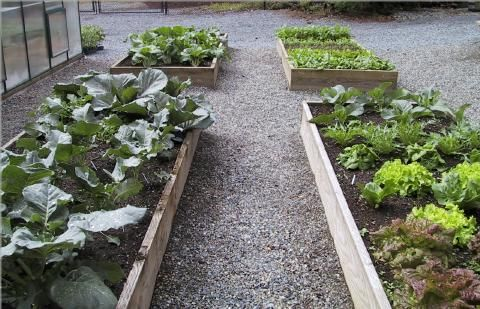
For example, in spring, you can grow leafy greens and flowers because the temperature is mild. During summer, heat-loving plants like tomatoes and peppers grow better. In autumn, root vegetables and herbs are ideal. Winter gardening usually includes hardy plants or protective techniques.
This approach makes gardening more efficient and productive. It also reduces the chances of plant diseases and failure. Seasonal outdoor gardening helps you understand the natural rhythm of plant growth.
In simple terms, it is about planting the right crop at the right time. When you follow this method, you get better harvests and a more beautiful garden.
Why is Seasonal Outdoor Gardening Important?
Seasonal outdoor gardening plays a key role in successful gardening. It helps you grow plants in the most suitable conditions, which increases their chances of survival and growth.
First, it improves plant health. When plants grow in their preferred season, they require less effort and fewer resources. This means less watering, fewer fertilizers, and fewer pest problems.
Second, it saves time and money. Instead of wasting resources on plants that may not survive, you invest only in those that are suitable for the season.
Third, seasonal outdoor gardening supports sustainability. It reduces the need for artificial environments and chemical use. As a result, your garden becomes more eco-friendly.
Finally, it enhances your gardening experience. You learn new techniques with each season, making gardening more interesting and enjoyable over time.
Detailed Step-by-Step Guide
Step 1: Understand Your Climate
Before starting seasonal outdoor gardening, you need to understand your local climate. Different regions have different weather patterns. Knowing your climate helps you choose the right plants for each season.
Step 2: Choose Seasonal Plants
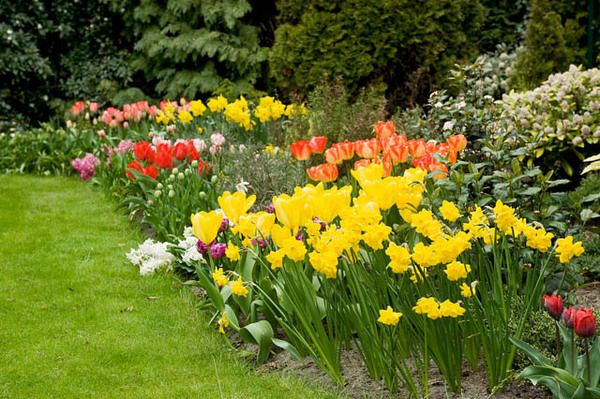
Select plants based on the current season. For example, grow lettuce in cooler months and tomatoes in warmer months. This step is very important for success.
Step 3: Prepare the Soil
Healthy soil is the foundation of good gardening. Add compost or organic matter to improve soil quality. Make sure the soil is loose and well-drained.
Step 4: Plan Your Garden Layout
Decide where each plant will grow. Place taller plants where they will not block sunlight for smaller plants. Good planning improves plant growth.
Step 5: Plant at the Right Time
Timing is everything in seasonal outdoor gardening. Plant seeds or seedlings at the correct time for best results. Follow planting calendars if needed.
Step 6: Water Properly
Watering needs change with seasons. Summer requires more watering, while winter needs less. Always check soil moisture before watering.
Step 7: Protect Your Plants
Use simple methods like shading in summer or covering plants in winter. Protection helps plants survive extreme conditions.
Step 8: Maintain Regular Care
Remove weeds, check for pests, and trim plants regularly. Consistent care keeps your garden healthy and productive.
Benefits of Seasonal Outdoor Gardening
- Helps plants grow naturally and healthily
- Reduces the need for chemicals and fertilizers
- Saves money on unnecessary gardening supplies
- Improves soil quality over time
- Provides fresh and organic food
- Encourages physical activity and relaxation
- Enhances the beauty of your outdoor space
- Builds gardening skills with each season
Disadvantages / Risks
- Weather changes can sometimes be unpredictable
- Requires regular attention and effort
- Some plants may fail despite proper care
- Pest problems can still occur in certain seasons
- Beginners may find planning challenging
- Initial setup may take time and energy
Common Mistakes to Avoid
Many beginners make simple mistakes in seasonal outdoor gardening. Avoiding these mistakes can save time and effort.
One common mistake is planting at the wrong time. Always check the correct season before planting.
Another mistake is overwatering. Too much water can damage roots and cause diseases.
Ignoring soil quality is also a problem. Poor soil leads to weak plants. Always improve your soil before planting.
Many people also overcrowd their garden. Plants need space to grow properly.
Finally, skipping regular maintenance can harm your garden. Keep checking your plants and take action when needed.
FAQs
What is the best season to start gardening?
Spring is usually the best season to start seasonal outdoor gardening. The weather is mild, and many plants grow well during this time.
Can beginners do seasonal outdoor gardening?
Yes, beginners can easily start with simple plants. With basic knowledge and practice, anyone can succeed.
How often should I water my plants?
Watering depends on the season and plant type. In general, check the soil and water when it feels dry.
Do I need special tools for gardening?
Basic tools like a shovel, watering can, and gloves are enough to start. You can add more tools later if needed.
How can I protect plants from extreme weather?
Use covers, shade nets, or move plants to safer areas. Protection methods depend on the season.
What are the easiest plants for beginners?
Lettuce, spinach, tomatoes, and herbs are easy to grow and suitable for beginners in seasonal outdoor gardening.
Expert Tips & Bonus Points
Start small and expand your garden gradually. This helps you learn without feeling overwhelmed.
Keep a gardening journal to track what works best in each season.
Use organic compost to improve soil health naturally.
Rotate crops every season to prevent soil exhaustion.
Observe your plants closely and respond quickly to problems.
Experiment with different plants to gain more experience.
Conclusion
Seasonal outdoor gardening is a smart and natural way to grow plants successfully. By following the seasons, you allow your garden to thrive without unnecessary stress. This method not only improves plant health but also makes gardening easier and more enjoyable.
For beginners, it may seem a bit challenging at first. However, with the right guidance and practice, it becomes simple and rewarding. You learn new things with each season, which keeps the process interesting. Over time, your confidence and skills will grow.
In addition, seasonal outdoor gardening helps you stay connected with nature. It teaches patience, responsibility, and creativity. Watching your plants grow and produce results brings a sense of satisfaction that is hard to match.
If you follow the steps, avoid common mistakes, and apply expert tips, you can build a healthy and beautiful garden. Start today, and enjoy the benefits of seasonal outdoor gardening throughout the year.
