

Introduction
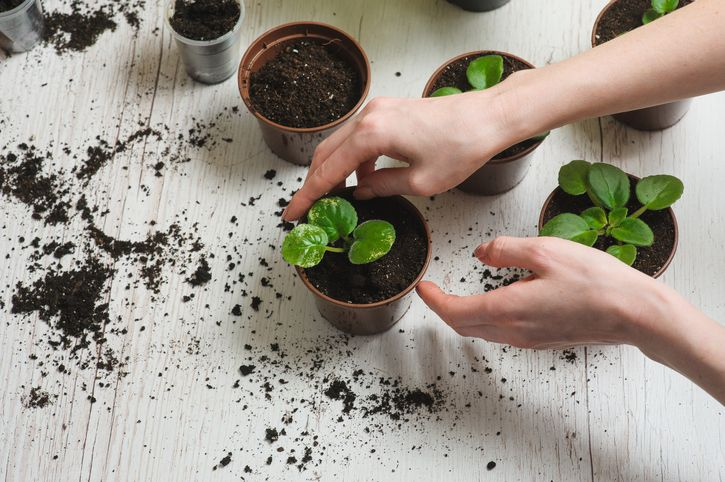
Plant care for beginners can feel overwhelming at first, especially when you are unsure about watering schedules, sunlight requirements, or soil types. However, once you understand the basics, taking care of plants becomes an enjoyable and rewarding activity. Many people start their plant journey with excitement but lose confidence when their plants do not thrive. The truth is, most plant problems come from simple mistakes that can easily be avoided with the right knowledge.
Learning plant care for beginners is not just about keeping plants alive. It is about creating a healthy environment where they can grow and flourish. Whether you want to decorate your home, improve air quality, or simply enjoy a relaxing hobby, understanding how to care for plants is essential. Even beginners can achieve great results by following a few simple principles.
In this guide, you will discover everything you need to know about plant care for beginners. From understanding basic plant needs to avoiding common mistakes, this article covers it all in a clear and practical way. By the end, you will feel confident enough to take care of your plants and watch them grow beautifully.
What is Plant Care for Beginners?
Plant care for beginners refers to the basic knowledge and practices needed to grow and maintain healthy plants. It includes understanding how much water a plant needs, how much sunlight it requires, and what type of soil helps it grow best. Beginners often start with easy-to-maintain plants before moving on to more demanding ones.
This concept also involves learning how to identify plant problems such as yellow leaves, pests, or slow growth. Instead of guessing, beginners learn to observe their plants and respond accordingly. Over time, this builds experience and confidence.
Plant care for beginners is not about perfection. It is about learning through experience and making gradual improvements. Even experienced gardeners started as beginners and improved their skills step by step.
Why is Plant Care for Beginners Important?
Understanding plant care for beginners is important because it helps prevent common mistakes that can harm plants. Without proper knowledge, many people either overwater or underwater their plants, which can lead to root damage or dehydration.
Another reason is that proper care ensures long-term plant health. Healthy plants grow faster, look better, and require less maintenance over time. This makes your gardening experience more enjoyable and less stressful.
Additionally, plant care for beginners promotes a stronger connection with nature. Taking care of plants can reduce stress, improve mood, and create a peaceful environment at home. It also teaches patience and responsibility.
Detailed Step-by-Step Guide
Step 1: Choose the Right Plants
Start with plants that are easy to care for. Some beginner-friendly options include snake plants, pothos, and succulents. These plants can tolerate minor mistakes and do not require constant attention.
When choosing plants, consider your environment. For example, if your home has limited sunlight, select plants that can survive in low-light conditions.
Step 2: Understand Light Requirements
Light is one of the most important factors in plant care for beginners. Different plants have different light needs. Some require direct sunlight, while others prefer indirect light.
Place your plants in areas where they receive the right amount of light. If a plant does not get enough light, it may grow slowly or develop weak stems. Too much light can cause leaves to burn.
Step 3: Water Properly
Watering is often the most confusing part of plant care for beginners. The key is to avoid overwatering. Most plants prefer slightly dry soil rather than constantly wet conditions.
Check the soil before watering. If the top inch feels dry, it is usually time to water. Make sure the pot has drainage holes to prevent water from accumulating at the bottom.
Step 4: Use the Right Soil
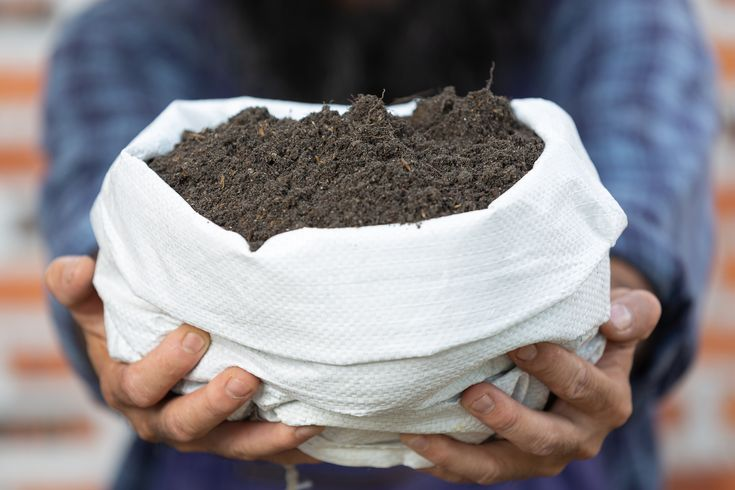
Different plants require different types of soil. For example, succulents need well-draining soil, while other plants prefer moisture-retaining soil.
Using the right soil helps roots grow properly and prevents issues like root rot. Always choose a soil mix suitable for your specific plant type.
Step 5: Maintain Proper Temperature and Humidity
Most indoor plants thrive in temperatures between 18°C and 25°C. Avoid placing plants near air conditioners, heaters, or drafty windows.
Humidity is also important. Some plants, like ferns, require higher humidity levels. You can increase humidity by misting the leaves or placing a tray of water nearby.
Step 6: Fertilize When Needed
Plants need nutrients to grow. Fertilizers provide essential minerals that may not be present in the soil.
For plant care for beginners, it is best to use a balanced liquid fertilizer once or twice a month during the growing season. Avoid over-fertilizing, as it can damage the plant.
Step 7: Prune and Clean Your Plants
Pruning helps remove dead or damaged leaves and encourages new growth. It also improves the overall appearance of the plant.
Cleaning the leaves is equally important. Dust can block sunlight and reduce photosynthesis. Gently wipe the leaves with a damp cloth to keep them clean.
Step 8: Repot When Necessary
As plants grow, they may outgrow their pots. Repotting provides more space for roots and fresh soil for better growth.
Signs that your plant needs repotting include roots coming out of the drainage holes or slow growth despite proper care.
Benefits of Plant Care for Beginners
- Improves indoor air quality
- Reduces stress and anxiety
- Enhances home decoration
- Encourages a healthy lifestyle
- Builds patience and responsibility
- Provides a sense of achievement
- Supports mental well-being
- Creates a peaceful environment
Disadvantages / Risks
- Overwatering can damage roots
- Lack of knowledge may lead to plant death
- Some plants require frequent care
- Pests and diseases can spread quickly
- Initial setup costs for pots and soil
- Time commitment for proper maintenance
Common Mistakes to Avoid
One of the biggest mistakes in plant care for beginners is overwatering. Many people assume that more water means better growth, but this often leads to root rot.
Another common mistake is placing plants in the wrong lighting conditions. A plant that needs sunlight will not thrive in a dark corner.
Using the wrong soil is also a frequent issue. Not all plants can grow in standard potting soil, so it is important to choose the right type.
Ignoring pests is another problem. Small insects can quickly damage a plant if not treated early.
Finally, beginners often move plants too frequently. Constant changes in location can stress the plant and affect its growth.
FAQs
1. How often should I water my plants?
The frequency depends on the type of plant, the size of the pot, and environmental conditions. In general, check the soil before watering. If it feels dry, it is time to water.
2. What are the easiest plants for beginners?
Some of the easiest plants include snake plants, pothos, spider plants, and succulents. These plants require minimal care and are very forgiving.
3. Can plants survive without sunlight?
All plants need some level of light to survive. However, certain plants can grow in low-light conditions. Artificial grow lights can also be used if natural light is limited.
4. Why are my plant leaves turning yellow?
Yellow leaves can be caused by overwatering, poor drainage, or lack of nutrients. It is important to identify the exact cause and adjust your care routine.
5. Do I need to fertilize my plants regularly?
Yes, but not excessively. Most plants benefit from monthly fertilization during their growing season. Over-fertilizing can harm the plant.
6. How do I know if my plant needs repotting?
If roots are coming out of the drainage holes or the plant is not growing well, it may need a larger pot. Repotting provides fresh soil and more space for roots.
Expert Tips & Bonus Points
Start small and gradually expand your plant collection. This helps you learn without feeling overwhelmed.
Observe your plants regularly. Changes in leaf color or growth patterns can indicate problems early.
Use pots with drainage holes to prevent water buildup. Proper drainage is essential for healthy roots.
Group plants with similar care needs together. This makes watering and maintenance easier.
Keep a simple routine. Consistency is key in plant care for beginners.
Do not be afraid to experiment. Every plant is different, and learning comes from experience.
Conclusion
Plant care for beginners does not have to be complicated. With a basic understanding of light, water, soil, and maintenance, anyone can grow healthy and beautiful plants. The key is to start simple, stay consistent, and learn from experience.
As you continue your journey, you will develop a deeper connection with your plants. You will begin to notice small changes and understand what your plants need. This not only improves your gardening skills but also brings a sense of satisfaction and calm.
Remember, every plant grower starts as a beginner. Mistakes are part of the learning process, and each one helps you improve. By following the tips and steps in this guide, you can confidently take care of your plants and enjoy the many benefits they bring.
Plant care for beginners is more than just a hobby. It is a rewarding experience that adds beauty, freshness, and positivity to your life.
