

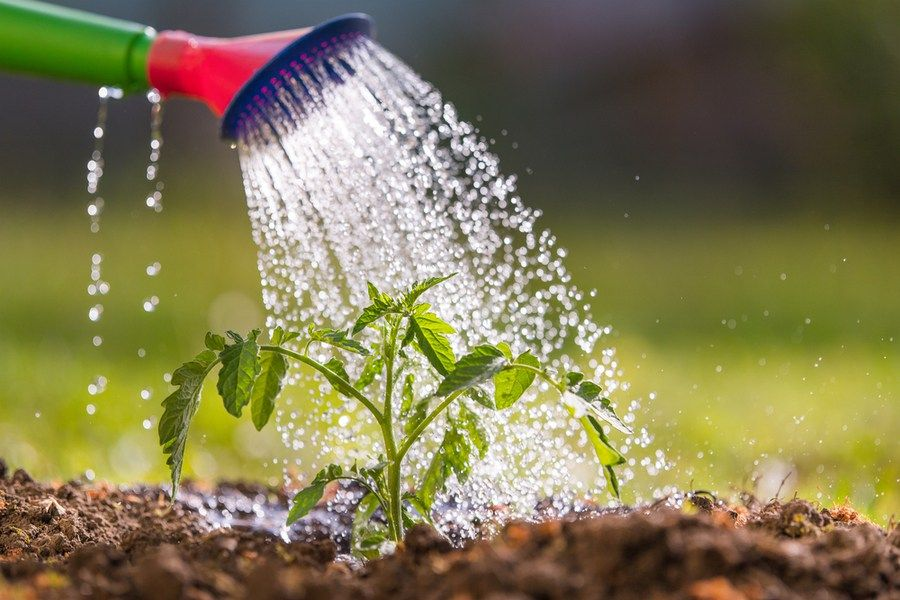
Watering plants correctly is one of the most essential skills every plant owner must learn. Whether you are growing indoor houseplants or managing a small garden, proper watering can make the difference between thriving greenery and struggling plants. Many beginners assume watering is simple, yet it is one of the most misunderstood aspects of plant care. Too much water can suffocate roots, while too little can lead to dehydration and stunted growth. Understanding how, when, and how much to water requires attention to detail and knowledge of plant needs. In this guide, you will learn practical, easy-to-follow techniques for watering plants correctly. From identifying soil moisture to choosing the right watering methods, this article will help you build confidence and improve plant health. By the end, you will have a clear understanding of how to maintain balanced hydration for your plants and avoid common mistakes that often lead to plant damage.
What is Watering Plants Correctly?
Watering plants correctly refers to providing the right amount of water at the right time and in the right way to support healthy plant growth. It is not simply about pouring water into a pot or garden bed. Instead, it involves understanding how different plants absorb water, how soil retains moisture, and how environmental conditions affect hydration.
Each plant has unique water requirements. For example, succulents need less frequent watering, while leafy plants often require consistent moisture. Watering correctly also means ensuring that water reaches the roots rather than just wetting the surface. Proper drainage is equally important, as stagnant water can cause root rot.
In simple terms, watering plants correctly is about balance. It ensures that plants receive enough water to survive and grow without being overwatered or underwatered. Once you understand this balance, plant care becomes much easier and more effective.
Why is Watering Plants Correctly Important?
Watering plants correctly is crucial because water plays a key role in almost every plant function. It helps transport nutrients, maintain structure, and support photosynthesis. Without proper watering, plants cannot perform these essential processes effectively.
Incorrect watering can lead to several problems. Overwatering often causes root rot, which prevents roots from absorbing oxygen. On the other hand, underwatering leads to dry soil, causing leaves to wilt and eventually die. Both situations can weaken plants and make them more vulnerable to pests and diseases.
Additionally, proper watering improves plant growth and appearance. Healthy plants have vibrant leaves, strong stems, and better resistance to environmental stress. When watering is done correctly, it also reduces waste, saving both water and effort.
Understanding the importance of watering helps you make better decisions and ensures long-term plant success.
Detailed Step-by-Step Guide
Step 1: Check Soil Moisture
Before watering, always check the soil moisture level. Insert your finger about one to two inches into the soil. If it feels dry, it is time to water. If it still feels moist, wait a little longer.
You can also use a moisture meter for more accuracy. This step prevents unnecessary watering and helps maintain balance.
Step 2: Know Your Plant Type
Different plants have different water needs. For example:
- Succulents and cacti need minimal water.
- Flowering plants require moderate watering.
- Tropical plants often need frequent watering.
Understanding your plant type helps you avoid overwatering or underwatering.
Step 3: Use the Right Watering Method
There are several watering methods you can use:
- Top watering: Pour water directly onto the soil.
- Bottom watering: Place the pot in a tray of water and let roots absorb moisture.
- Drip irrigation: Ideal for gardens.
Choose the method that suits your plant and environment.
Step 4: Water Deeply but Less Frequently
Instead of watering lightly every day, water deeply so that moisture reaches the roots. This encourages strong root growth and helps plants become more resilient.
Shallow watering often leads to weak roots and poor plant health.
Step 5: Ensure Proper Drainage
Always use pots with drainage holes. Excess water should flow out easily. If water stays in the pot, it can damage roots and lead to rot.
Adding a layer of gravel at the bottom can improve drainage.
Step 6: Adjust Based on Weather
Environmental conditions affect watering needs. During hot weather, plants need more water. In cooler seasons, watering frequency should be reduced.
Indoor plants may also need adjustments depending on humidity levels.
Step 7: Water at the Right Time
The best time to water plants is early morning or late afternoon. This prevents rapid evaporation and allows plants to absorb water effectively.
Avoid watering during peak sunlight hours, as it can stress the plants.
Benefits of Watering Plants Correctly
- Promotes healthy root development
- Improves plant growth and productivity
- Prevents diseases like root rot
- Enhances leaf color and overall appearance
- Reduces water waste
- Increases plant lifespan
- Helps plants withstand environmental stress
Disadvantages / Risks
- Overwatering can lead to root rot
- Underwatering causes wilting and dryness
- Incorrect timing may reduce water absorption
- Poor drainage can damage roots
- Inconsistent watering leads to weak growth
- Excess moisture may attract pests
Common Mistakes to Avoid
One of the most common mistakes is watering plants on a fixed schedule without checking soil moisture. Plants do not follow a strict calendar, so it is important to observe their actual needs.
Another mistake is using too much water at once. Many beginners believe more water is better, but this can harm plants. Always aim for balanced watering.
Ignoring drainage is also a major issue. Without proper drainage, water accumulates and damages roots. Always ensure excess water can escape.
Watering leaves instead of soil is another error. While some plants tolerate it, most benefit more when water reaches the roots directly.
Lastly, not adjusting watering based on weather conditions can lead to problems. Always consider temperature, humidity, and season.
FAQs
How often should I water my plants?
The frequency depends on the plant type, soil, and environment. Generally, check the soil moisture and water when it feels dry. Avoid following a strict schedule.
Can I water plants at night?
It is better to water in the morning or late afternoon. Night watering can sometimes lead to fungal issues due to prolonged moisture.
What is the best water for plants?
Room temperature water is ideal. Avoid extremely cold or hot water, as it can shock the roots.
How do I know if I am overwatering?
Signs include yellow leaves, soggy soil, and a foul smell from the roots. If you notice these, reduce watering immediately.
Is tap water safe for plants?
In most cases, tap water is fine. However, if it contains high levels of chlorine, letting it sit for a few hours before use can help.
Should I mist my plants?
Misting can benefit plants that prefer high humidity, but it should not replace proper watering. Always focus on soil moisture first.
Expert Tips & Bonus Points
To improve your watering routine, always observe your plants closely. Leaves can tell you a lot about their condition. Drooping leaves may indicate a need for water, while yellowing can signal overwatering.
Using mulch in outdoor gardens helps retain moisture and reduces the need for frequent watering. It also protects roots from extreme temperatures.
Grouping plants with similar water needs together makes watering easier and more efficient. This prevents confusion and ensures each plant receives proper care.
Investing in quality soil is another important factor. Good soil retains moisture while allowing excess water to drain, creating the perfect balance.
Finally, keep a simple record of your watering habits. This helps you identify patterns and make improvements over time.
Conclusion
Watering plants correctly is a fundamental skill that every plant enthusiast should master. While it may seem simple at first, proper watering requires attention, observation, and a basic understanding of plant needs. By learning how to check soil moisture, choosing the right watering methods, and adjusting based on environmental conditions, you can significantly improve plant health.
Consistent and balanced watering leads to stronger roots, healthier leaves, and better growth overall. At the same time, avoiding common mistakes such as overwatering or ignoring drainage helps prevent long-term damage. With practice, watering becomes a natural part of plant care rather than a confusing task.
Remember that every plant is unique, and there is no one-size-fits-all approach. Pay attention to how your plants respond and adjust your routine accordingly. Over time, you will develop confidence and create a thriving environment for your plants. Proper watering is not just a task; it is the foundation of successful gardening and indoor plant care.
