

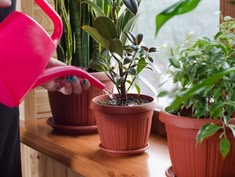
Indoor and outdoor plants can transform any space into a refreshing and vibrant environment. However, many people struggle to keep their plants healthy despite their best intentions. The truth is, even small errors in care routines can lead to poor growth or plant loss. Understanding common plant care mistakes is essential for anyone who wants thriving greenery at home.
Most beginners assume that plants only need water and sunlight. While these are important, plant care goes much deeper. Factors like soil quality, watering frequency, light exposure, and temperature all play crucial roles. Without proper knowledge, it’s easy to unintentionally harm your plants.
In this guide, you will learn about common plant care mistakes, why they happen, and how to avoid them. Whether you are just starting or already have some experience, this article will help you improve your plant care routine and grow healthier plants with confidence.
What is Common Plant Care Mistakes?
Common plant care mistakes refer to the frequent errors people make while taking care of plants. These mistakes can range from overwatering and poor lighting to incorrect soil selection and neglecting plant needs. They are often unintentional and occur due to a lack of knowledge or misunderstanding of plant requirements.
For example, many plant owners believe watering daily is beneficial, but in reality, overwatering is one of the most common plant care mistakes. Similarly, placing a shade-loving plant in direct sunlight can cause damage instead of helping it grow.
Understanding these mistakes is the first step toward becoming a better plant caretaker. When you recognize what goes wrong, you can adjust your approach and create a healthier environment for your plants.
Why is Common Plant Care Mistakes Important?
Knowing about common plant care mistakes is important because it directly impacts plant health and longevity. Plants cannot communicate their needs clearly, so it is up to the caretaker to interpret signs and provide proper care.
When mistakes go unnoticed, plants may show symptoms such as yellow leaves, slow growth, or wilting. Over time, these issues can lead to plant death. On the other hand, avoiding these mistakes helps plants thrive and improves your overall gardening experience.
Additionally, learning about these mistakes saves time and money. Instead of constantly replacing plants, you can maintain and enjoy the ones you already have. This knowledge also builds confidence, making plant care more enjoyable and less stressful.
Detailed Step-by-Step Guide
Step 1: Understand Your Plant Type
Not all plants have the same needs. Some require bright sunlight, while others prefer shade. Research your plant’s specific requirements before placing it in your home or garden.
Step 2: Provide Proper Watering
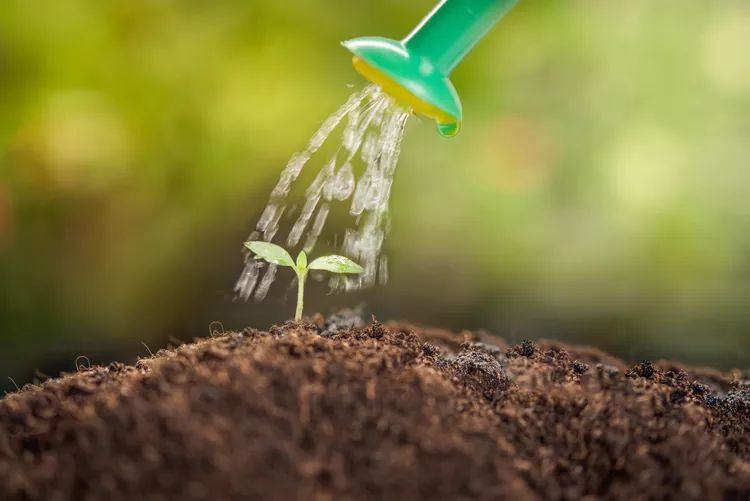
Watering correctly is crucial. Check the soil before watering. If it feels dry, water the plant. If it is still moist, wait a day or two.
Step 3: Choose the Right Soil
Different plants need different soil types. For instance, succulents require well-draining soil, while tropical plants prefer moisture-retentive soil.
Step 4: Ensure Adequate Lighting
Observe how much light your space receives. Place plants according to their light needs. Rotate them occasionally for even growth.
Step 5: Maintain Proper Temperature
Most plants thrive in moderate temperatures. Avoid placing them near air conditioners, heaters, or drafty windows.
Step 6: Use Fertilizers Wisely
Fertilizers provide nutrients but using too much can harm plants. Follow recommended guidelines and avoid overfeeding.
Step 7: Regularly Inspect Plants
Check for pests, diseases, or unusual changes. Early detection helps prevent bigger problems.
Benefits of Common Plant Care Mistakes
- Helps improve plant health and growth
- Reduces plant loss and unnecessary expenses
- Builds confidence in plant care skills
- Encourages better understanding of plant needs
- Creates a more beautiful and vibrant environment
- Saves time by preventing repeated errors
- Enhances gardening knowledge over time
Disadvantages / Risks
- Overthinking plant care can lead to stress
- Trying too many changes at once may confuse beginners
- Incorrect information can still cause mistakes
- Lack of consistency can undo good practices
- Ignoring plant signals despite knowledge can still harm plants
Common Mistakes to Avoid
One of the most common plant care mistakes is overwatering. Many people believe more water means better growth, but too much water can cause root rot. Always check soil moisture before watering.
Another frequent mistake is poor lighting. Placing plants in unsuitable lighting conditions can stunt growth or burn leaves. Understanding your plant’s light requirements is essential.
Using the wrong soil is also a major issue. Heavy soil can suffocate roots, while overly sandy soil may not retain enough moisture. Choosing the right soil ensures proper nutrient absorption.
Ignoring pests is another problem. Small infestations can quickly become severe if not treated early. Regular inspection helps keep plants safe.
Over-fertilizing is equally harmful. While nutrients are important, excess fertilizer can damage roots and leaves. Moderation is key.
Finally, neglecting plant-specific needs leads to poor results. Each plant is unique, so treating all plants the same often results in mistakes.
FAQs
1. What is the most common plant care mistake?
The most common plant care mistake is overwatering. Many plants suffer from excess water, which leads to root rot and poor growth.
2. How often should I water my plants?
Watering depends on the plant type and environment. Always check the soil moisture instead of following a fixed schedule.
3. Can too much sunlight harm plants?
Yes, too much sunlight can burn leaves, especially for plants that prefer shade or indirect light.
4. Why are my plant leaves turning yellow?
Yellow leaves can be caused by overwatering, poor drainage, lack of nutrients, or insufficient light.
5. Is fertilizer necessary for all plants?
Most plants benefit from fertilizer, but it should be used in moderation and according to the plant’s needs.
6. How can I prevent pests on my plants?
Regular inspection, proper cleaning, and maintaining plant health can help prevent pest infestations.
Expert Tips & Bonus Points
Start with low-maintenance plants if you are a beginner. This reduces the chances of making common plant care mistakes while you learn.
Always use pots with drainage holes. Proper drainage prevents water from accumulating and damaging roots.
Keep a consistent care routine. Sudden changes in watering, lighting, or temperature can stress plants.
Use natural methods to improve plant health, such as compost or organic fertilizers. These options are gentle and effective.
Observe your plants closely. They often show signs when something is wrong. Learning to read these signs is a valuable skill.
Avoid moving plants frequently. Constant relocation can disrupt their growth and adaptation.
Conclusion
Understanding and avoiding common plant care mistakes is the key to maintaining healthy and thriving plants. Many plant owners face challenges not because they lack effort, but because they unknowingly follow incorrect practices. By learning the basics and paying attention to plant needs, you can significantly improve your results.
Simple adjustments, such as proper watering, correct lighting, and suitable soil, can make a big difference. Moreover, consistency and observation play a crucial role in successful plant care. When you take the time to understand your plants, you build a stronger connection with them.
In the long run, avoiding common plant care mistakes not only saves time and money but also enhances your overall gardening experience. Whether you are growing plants indoors or outdoors, the right approach ensures lasting beauty and growth. With patience and the right knowledge, anyone can become a confident and successful plant caretaker.
