

Introduction
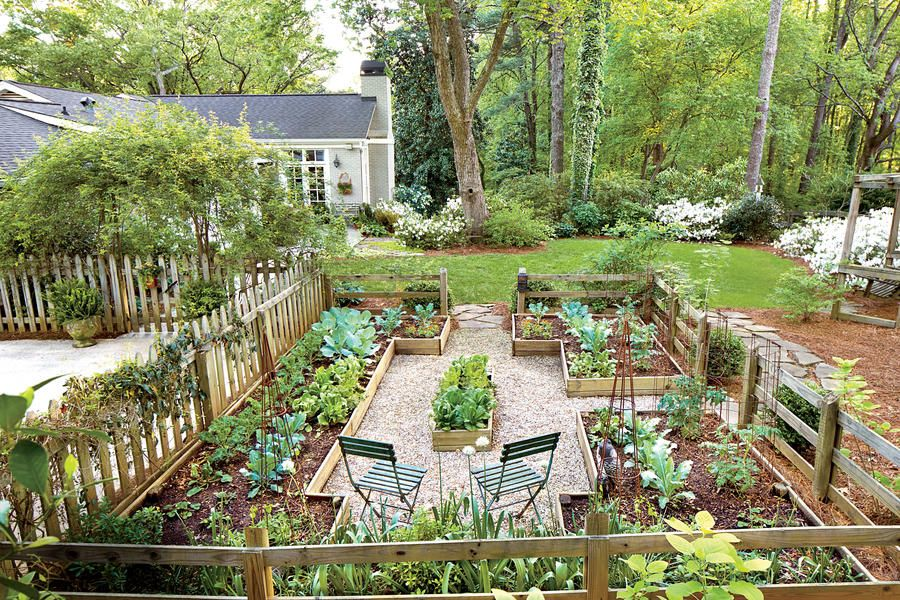
Learning how to grow plants outdoors is one of the most rewarding and practical skills anyone can develop. Whether you have a small backyard, a terrace, or a large garden, growing plants outside connects you with nature and brings fresh life into your surroundings. Many beginners think gardening is difficult, but with the right guidance, it becomes simple and enjoyable.
Outdoor gardening allows plants to get natural sunlight, fresh air, and rainwater, which helps them grow stronger and healthier. In addition, it can save money, improve your mood, and even provide fresh fruits, vegetables, or herbs for your kitchen. That’s why more people are now interested in learning how to grow plants outdoors effectively.
In this guide, you will discover everything you need to know, from understanding basic concepts to following step-by-step instructions. You will also learn about common mistakes, helpful tips, and the benefits of outdoor gardening. By the end, you will feel confident enough to start your own outdoor garden and take care of your plants like a pro.
What is How to Grow Plants Outdoors?
How to grow plants outdoors refers to the process of planting, nurturing, and maintaining plants in an open environment such as a garden, yard, balcony, or farm. It involves using natural elements like sunlight, soil, water, and air to support plant growth.
Unlike indoor gardening, outdoor planting gives plants more space and access to natural resources. However, it also requires understanding weather conditions, soil quality, and proper care techniques. When you learn how to grow plants outdoors, you focus on choosing the right plants, preparing the soil, watering properly, and protecting plants from pests and diseases.
For example, growing tomatoes in your backyard or planting flowers in your garden both fall under outdoor gardening. Each plant has its own needs, so understanding those needs is the key to success.
Why is How to Grow Plants Outdoors Important?
Understanding how to grow plants outdoors is important for several reasons. First, it helps you grow your own food, which can be healthier and more affordable. Second, it improves your environment by adding greenery and reducing pollution.
Outdoor plants also support biodiversity by attracting birds, bees, and beneficial insects. This creates a balanced ecosystem in your garden. Moreover, gardening is known to reduce stress and improve mental health. Spending time with plants can make you feel calm and relaxed.
Another important reason is sustainability. When you grow plants outdoors, you reduce dependence on store-bought produce and contribute to a healthier planet. Therefore, learning how to grow plants outdoors is not just a hobby but a valuable life skill.
Detailed Step-by-Step Guide
Step 1: Choose the Right Location
The first step in learning how to grow plants outdoors is selecting a suitable location. Most plants need at least 6–8 hours of sunlight daily. Look for a spot that receives enough sunlight and has good air circulation.
Avoid areas with strong winds or poor drainage. If your space is limited, you can use containers or raised beds to grow plants.
Step 2: Select Suitable Plants
Choose plants based on your climate, season, and experience level. Beginners should start with easy plants such as tomatoes, mint, basil, or marigolds.
Make sure the plants you select can grow well in your local weather conditions. This will increase your chances of success.
Step 3: Prepare the Soil
Soil is the foundation of plant growth. Good soil should be rich in nutrients, well-drained, and slightly loose.
You can improve soil quality by adding compost, organic matter, or fertilizers. Testing the soil can also help you understand its pH level and nutrient content.
Step 4: Plant Properly
When planting seeds or seedlings, follow the recommended depth and spacing. Crowded plants may not grow properly.
Water the soil lightly after planting to help roots settle. Make sure the plants are stable and upright.
Step 5: Water Regularly
Watering is one of the most important parts of how to grow plants outdoors. Plants need consistent moisture, but overwatering can harm them.
Check the soil before watering. If the top layer feels dry, it’s time to water. Early morning is the best time for watering.
Step 6: Provide Nutrients
Plants need nutrients to grow strong and healthy. Use organic fertilizers or compost to feed your plants.
Avoid using too much fertilizer, as it can damage roots. Follow a balanced feeding schedule.
Step 7: Protect from Pests and Diseases
Outdoor plants can attract pests like insects and animals. Regularly check your plants for signs of damage.
Use natural pest control methods such as neem oil or homemade sprays. Keeping your garden clean also helps prevent diseases.
Step 8: Prune and Maintain
Pruning helps remove dead or damaged parts of the plant. It also encourages better growth.
Keep your garden tidy by removing weeds and fallen leaves. Regular maintenance is essential for healthy plants.
Benefits of How to Grow Plants Outdoors
- Provides fresh and organic food
- Improves air quality and environment
- Reduces stress and boosts mental health
- Saves money on groceries
- Enhances the beauty of your space
- Encourages physical activity
- Supports wildlife and pollinators
Disadvantages / Risks
- Weather changes can damage plants
- Requires time and effort
- Risk of pests and diseases
- Initial setup cost for tools and soil
- Watering and maintenance can be challenging
Common Mistakes to Avoid
Many beginners make simple mistakes when learning how to grow plants outdoors. Avoiding these errors can save time and effort.
One common mistake is overwatering. Too much water can cause root rot and kill plants. Another mistake is choosing the wrong plants for your climate. Always select plants that suit your environment.
Ignoring soil quality is also a big problem. Poor soil leads to weak plant growth. In addition, planting too close together can limit space and nutrients.
Some people forget to check for pests regularly, which allows damage to spread quickly. Lastly, not providing enough sunlight can slow down plant growth. Paying attention to these details will help you succeed.
FAQs
1. How often should I water outdoor plants?
Watering depends on the plant type and weather conditions. Generally, most plants need watering 2–3 times a week. During hot weather, you may need to water more frequently. Always check the soil before watering.
2. What is the best time to plant outdoors?
The best time to plant outdoors depends on the season. Spring is ideal for most plants because the weather is mild. However, some plants grow better in summer or winter.
3. Can I grow plants outdoors in small spaces?
Yes, you can grow plants outdoors even in small spaces. Use pots, containers, or vertical gardening techniques. Herbs and small vegetables are perfect for limited areas.
4. How do I protect plants from pests naturally?
You can use natural methods like neem oil, garlic spray, or soap solution. Keeping your garden clean and removing damaged leaves also helps prevent pests.
5. Do outdoor plants need fertilizer?
Yes, outdoor plants need nutrients to grow well. Organic fertilizers and compost are great options. Use them in moderate amounts to avoid damage.
6. What are the easiest plants for beginners?
Some easy plants include basil, mint, lettuce, tomatoes, and marigolds. These plants are simple to grow and require basic care.
Expert Tips & Bonus Points
If you want to master how to grow plants outdoors, follow these expert tips. First, always observe your plants closely. They often show signs when something is wrong. Yellow leaves, slow growth, or spots can indicate problems.
Second, use mulch around your plants. Mulch helps retain moisture, control weeds, and improve soil health. It also protects roots from extreme temperatures.
Third, rotate your crops if you are growing vegetables. This prevents soil depletion and reduces pest issues.
Another helpful tip is to collect rainwater for watering your plants. It is natural and better for plant health.
Lastly, keep learning and experimenting. Gardening is a skill that improves with practice. The more you try, the better results you will achieve.
Conclusion
Learning how to grow plants outdoors is a valuable and fulfilling journey. It allows you to enjoy fresh food, improve your surroundings, and connect with nature in a meaningful way. While it may seem challenging at first, following simple steps can make the process easy and enjoyable.
By choosing the right location, preparing good soil, watering properly, and protecting your plants, you can achieve great results. It is also important to avoid common mistakes and stay consistent with maintenance. Over time, you will gain experience and confidence in your gardening skills.
Outdoor gardening is not just about growing plants; it is about creating a healthy and peaceful environment. Whether you are growing vegetables, herbs, or flowers, the benefits are endless. Start small, stay patient, and enjoy the process. With dedication and care, anyone can learn how to grow plants successfully and turn their space into a beautiful green paradise.
