

Introduction
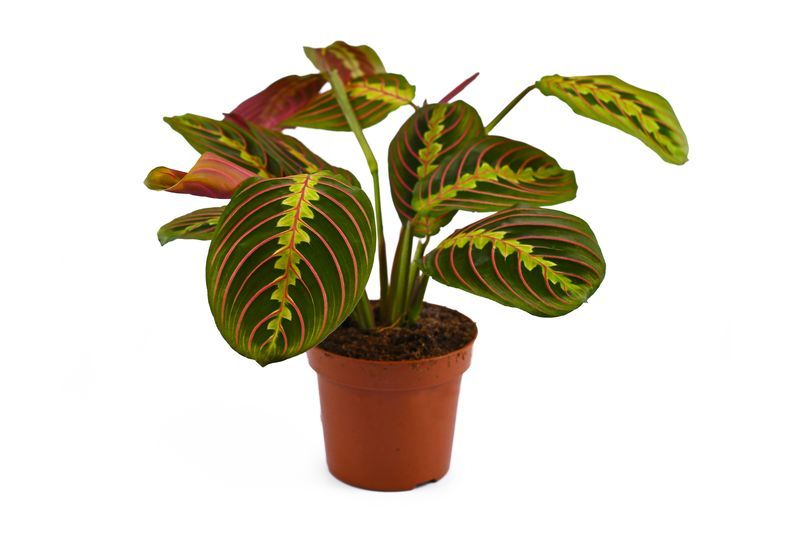
Indoor plants have become an essential part of modern living spaces, offering more than just aesthetic appeal. Whether you live in a small apartment or a spacious house, adding greenery indoors can instantly transform the atmosphere. The growing popularity of the best indoor plants is not just a trend but a lifestyle shift toward healthier and more calming environments.
For beginners and intermediate plant lovers, choosing the right indoor plants can feel overwhelming. There are countless varieties available, each with different care requirements, light preferences, and benefits. However, with the right knowledge, anyone can successfully grow and maintain indoor plants without stress.
Moreover, indoor plants contribute to improved air quality, reduced stress levels, and increased productivity. They can also serve as natural decor elements that complement any interior design style. From low-maintenance options to more decorative varieties, there is something for everyone.
In this comprehensive guide, you will learn everything about the best indoor plants, why they matter, how to care for them, and how to avoid common mistakes. By the end, you will have the confidence to create your own indoor green space that thrives.
What is Best Indoor Plants?
The term best indoor plants refers to plant varieties that can grow successfully inside homes, offices, or enclosed environments with minimal effort. These plants are typically chosen based on their ability to adapt to indoor conditions such as limited sunlight, controlled temperatures, and lower humidity levels.
Indoor plants come in various types, including flowering plants, foliage plants, succulents, and air-purifying plants. Some popular examples include snake plants, pothos, peace lilies, spider plants, and succulents. Each of these plants offers unique benefits and requires different levels of care.
The best indoor plants are usually easy to maintain, resilient, and visually appealing. They can survive occasional neglect, making them ideal for beginners. Additionally, they help improve indoor air quality by filtering toxins and increasing oxygen levels.
Choosing the right indoor plants depends on your lifestyle, available space, and lighting conditions. For instance, if you have low-light areas, plants like snake plants and ZZ plants are excellent choices. On the other hand, brighter spaces can support a wider range of plant varieties.
Why is Best Indoor Plants Important?
Indoor plants play a significant role in enhancing both physical and mental well-being. One of the primary reasons people invest in the best indoor plants is their ability to improve air quality. Many plants can absorb harmful toxins and release fresh oxygen, creating a healthier indoor environment.
Another important benefit is stress reduction. Studies have shown that being around plants can lower stress levels and promote a sense of calm. This is particularly useful in today’s fast-paced lifestyle, where mental well-being is often overlooked.
Indoor plants also improve productivity and concentration. Whether placed in a home office or study area, greenery can help boost focus and creativity. This makes them a valuable addition for students and professionals alike.
Furthermore, indoor plants enhance interior design. They add color, texture, and life to otherwise dull spaces. From minimalist setups to luxurious interiors, plants can fit seamlessly into any design theme.
Lastly, caring for indoor plants encourages responsibility and mindfulness. It creates a routine that can be both relaxing and rewarding.
Detailed Step-by-Step Guide
Step 1: Choose the Right Plants
Start by selecting plants that suit your environment and experience level. Beginners should opt for low-maintenance options like snake plants, pothos, or spider plants.
Consider factors such as light availability, room temperature, and humidity levels. Matching plants to your environment increases the chances of success.
Step 2: Understand Lighting Needs
Different plants have different light requirements. Some thrive in bright, indirect sunlight, while others can survive in low-light conditions.
Place your plants near windows or in areas where they receive adequate light. Avoid direct sunlight for sensitive plants as it can cause leaf burn.
Step 3: Use Proper Soil and Pots
Choose well-draining soil that suits your plant type. For example, succulents require sandy soil, while tropical plants prefer nutrient-rich mixes.
Ensure your pots have drainage holes to prevent water accumulation, which can lead to root rot.
Step 4: Water Wisely
Overwatering is one of the most common mistakes. Always check the soil before watering. If the top layer feels dry, it is time to water.
Different plants have different watering needs, so adjust accordingly. Succulents need less water, while tropical plants may require more frequent watering.
Step 5: Maintain Humidity and Temperature
Indoor plants generally prefer stable temperatures and moderate humidity. Avoid placing plants near heaters or air conditioners.
If your environment is too dry, consider misting your plants or using a humidifier.
Step 6: Fertilize Regularly
Plants need nutrients to grow. Use a balanced fertilizer during the growing season to support healthy development.
Avoid over-fertilizing, as it can harm the plants.
Step 7: Prune and Clean
Remove dead leaves and trim overgrown parts to maintain plant health. Cleaning leaves also helps improve photosynthesis.
Regular maintenance keeps your plants looking fresh and vibrant.
Benefits of Best Indoor Plants
- Improve air quality by reducing toxins
- Enhance mood and reduce stress
- Increase productivity and focus
- Add natural beauty to indoor spaces
- Promote better sleep in some cases
- Help regulate humidity levels
- Encourage a sense of responsibility
Disadvantages / Risks
- Overwatering can lead to root rot
- Some plants may be toxic to pets
- Require regular care and attention
- Can attract pests if not maintained properly
- Initial setup costs for pots and soil
Common Mistakes to Avoid
One of the biggest mistakes beginners make is overwatering their plants. Too much water can suffocate roots and cause them to rot. Always check soil moisture before watering.
Another common issue is placing plants in the wrong lighting conditions. Low-light plants placed in bright sunlight may get damaged, while sun-loving plants may struggle in dark corners.
Using the wrong type of soil can also affect plant health. Each plant has specific soil requirements, so it is important to choose accordingly.
Neglecting regular maintenance such as pruning and cleaning can lead to poor growth. Dead leaves and dust can hinder the plant’s ability to thrive.
Lastly, ignoring signs of pests or diseases can cause serious damage. Regular inspection helps catch problems early.
FAQs
1. What are the easiest indoor plants for beginners?
Some of the easiest indoor plants include snake plants, pothos, and spider plants. They require minimal care and can adapt to various conditions.
2. How often should I water indoor plants?
Watering frequency depends on the plant type and environment. Generally, watering once a week is sufficient, but always check the soil first.
3. Do indoor plants need sunlight?
Yes, most indoor plants need some form of light. However, many can thrive in indirect or low-light conditions.
4. Can indoor plants improve air quality?
Yes, certain plants can help filter toxins and improve indoor air quality, making your living space healthier.
5. What is the best place to keep indoor plants?
Place plants near windows or areas with adequate light. Avoid extreme temperatures and drafts.
6. How do I prevent pests on indoor plants?
Keep your plants clean, avoid overwatering, and inspect them regularly. Using natural pest control methods can also help.
Expert Tips & Bonus Points
Start small instead of buying too many plants at once. This allows you to understand plant care without feeling overwhelmed.
Group plants with similar care requirements together. This makes maintenance easier and more efficient.
Rotate your plants occasionally to ensure even growth. This prevents them from leaning toward the light source.
Use decorative pots to enhance the visual appeal of your plants. This adds a stylish touch to your space.
Learn to read your plants. Yellow leaves, drooping, or slow growth can indicate underlying issues.
Consistency is key. Regular care and attention will lead to healthier and more vibrant plants.
Conclusion
Indoor plants are more than just decorative elements; they are a valuable addition to any living space. By choosing the best indoor plants, you can create a healthier, more relaxing, and visually appealing environment. Whether you are a beginner or someone with experience, indoor gardening offers endless opportunities to learn and grow.
Understanding the basics such as lighting, watering, and proper care can make a significant difference in your success. While challenges may arise, they can be easily managed with the right approach and knowledge. Avoiding common mistakes and following expert tips will help your plants thrive.
Moreover, the benefits of indoor plants go beyond aesthetics. They contribute to better air quality, improved mental health, and increased productivity. These advantages make them a worthwhile investment for any home or workspace.
In the end, growing indoor plants is a rewarding journey. With patience and consistency, you can transform your indoor space into a lush, green sanctuary that brings joy and comfort every day.
