

Introduction
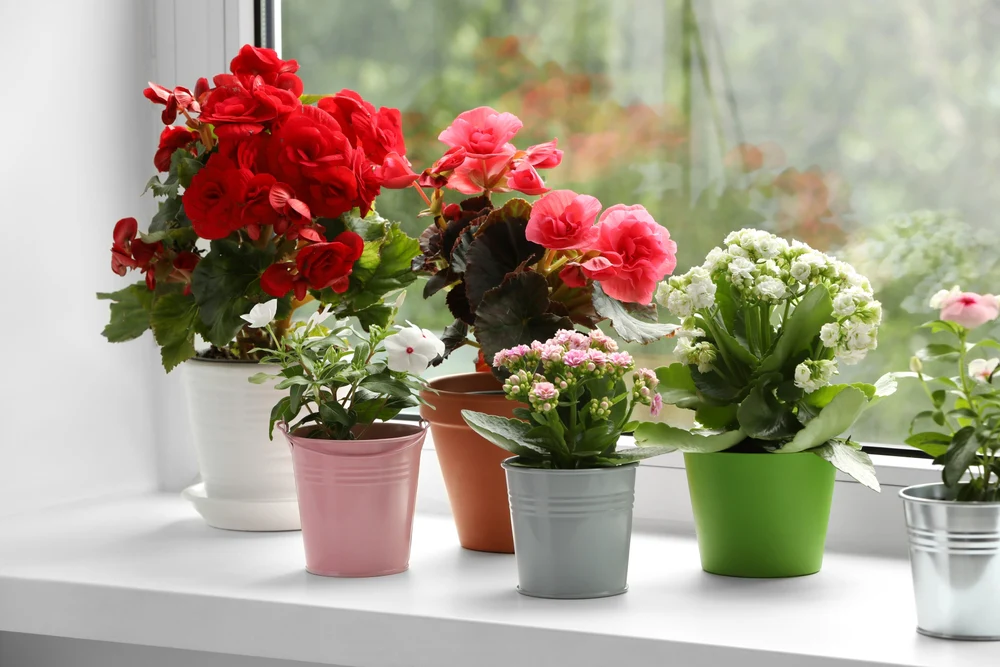
Creating a peaceful and refreshing indoor environment has become a priority for many homeowners. One of the simplest and most effective ways to transform your living space is by adding greenery. The best plants for home not only enhance the aesthetic appeal of your rooms but also improve air quality and promote mental well-being. Whether you live in a small apartment or a spacious house, indoor plants can bring life, color, and calmness into your everyday surroundings.
Moreover, indoor gardening has gained popularity among beginners and intermediate plant lovers due to its accessibility and rewarding nature. You do not need advanced gardening skills or a large outdoor area to get started. With the right selection, even low-maintenance plants can thrive indoors and provide long-lasting beauty.
In this guide, you will learn everything about choosing, caring for, and benefiting from the best plants for home. From understanding what indoor plants are to avoiding common mistakes, this article is designed to help you build a thriving indoor garden with confidence.
What is Best Plants for Home?
The term “best plants for home” refers to indoor plants that are well-suited to grow in household environments. These plants are typically easy to maintain, adaptable to indoor lighting conditions, and capable of surviving in limited space.
Unlike outdoor plants, indoor plants are chosen based on factors such as light availability, humidity levels, and ease of care. Popular examples include snake plants, pothos, peace lilies, and spider plants. Each of these plants offers unique benefits, from air purification to decorative value.
Additionally, the best plants for home are often categorized based on their maintenance level. Some require minimal watering and sunlight, making them perfect for beginners, while others may need more attention but offer stunning visual appeal.
Why is Best Plants for Home Important?
Adding indoor plants is more than just a design trend. It has practical and emotional benefits that can significantly improve your quality of life.
First, indoor plants help purify the air by removing toxins and releasing oxygen. This leads to a healthier living environment, especially in urban homes where air pollution can be a concern.
Second, plants contribute to stress reduction. Studies have shown that being around greenery can lower anxiety levels and improve mood. This makes indoor plants ideal for workspaces and relaxation areas.
Furthermore, the best plants for home can increase productivity and focus. Whether you are working from home or studying, having plants nearby can create a calming atmosphere that enhances concentration.
Lastly, indoor plants elevate the overall appearance of your home. They add texture, color, and a natural touch that complements any interior design style.
Detailed Step-by-Step Guide
Step 1: Assess Your Space
Before choosing plants, evaluate your home environment. Consider factors such as:
- Natural light availability
- Room temperature
- Humidity levels
- Available space
For example, rooms with bright sunlight are ideal for plants like succulents, while low-light areas are better suited for snake plants or pothos.
Step 2: Choose the Right Plants
Selecting the best plants for home depends on your lifestyle and experience level. Beginners should start with low-maintenance options such as:
- Snake plant
- ZZ plant
- Aloe vera
- Spider plant
Intermediate users can explore plants like fiddle leaf fig or monstera, which require slightly more care.
Step 3: Select Suitable Pots and Soil
Proper containers and soil play a crucial role in plant health. Always use pots with drainage holes to prevent waterlogging.
Choose high-quality potting mix that supports root growth. For instance, succulents need well-draining soil, while tropical plants prefer moisture-retaining mixes.
Step 4: Understand Watering Needs
Overwatering is one of the most common mistakes in indoor gardening. Each plant has different water requirements.
As a general rule:
- Water only when the top layer of soil feels dry
- Avoid letting water sit in the tray
- Adjust frequency based on season and humidity
Step 5: Provide Adequate Light
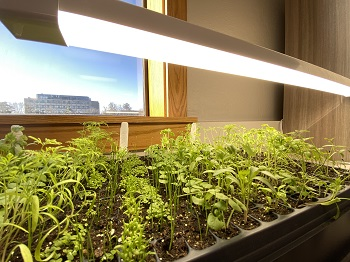
Light is essential for plant growth. Place your plants according to their light needs:
- Bright light: near windows
- Medium light: a few feet away from windows
- Low light: shaded corners
If natural light is limited, consider using artificial grow lights.
Step 6: Maintain and Care Regularly
Regular care ensures your plants stay healthy and vibrant. This includes:
- Cleaning leaves to remove dust
- Pruning dead or yellow leaves
- Rotating plants for even growth
- Checking for pests
Consistency is key when maintaining the best plants for home.
Benefits of Best Plants for Home
- Improve indoor air quality
- Reduce stress and anxiety
- Enhance home aesthetics
- Boost productivity and focus
- Increase humidity levels naturally
- Promote better sleep quality
- Provide a sense of accomplishment
Disadvantages / Risks
- Overwatering can damage plants
- Some plants may be toxic to pets
- Maintenance requires time and effort
- Pest infestations can occur
- Incorrect lighting can hinder growth
Common Mistakes to Avoid
One major mistake is choosing plants without considering your home environment. Not all plants can thrive in every condition.
Another common issue is overwatering. Many beginners believe more water equals better growth, which is not true.
Ignoring light requirements is also problematic. Placing a sun-loving plant in a dark corner will eventually damage it.
Additionally, using the wrong soil or pot can restrict root growth and lead to unhealthy plants.
Finally, neglecting regular maintenance such as pruning and cleaning can reduce the lifespan of your indoor plants.
FAQs
1. Which are the easiest plants for beginners?
The easiest options include snake plants, pothos, and spider plants. These require minimal care and can tolerate varying conditions.
2. How often should I water indoor plants?
Watering depends on the plant type, but generally once a week is sufficient. Always check soil moisture before watering.
3. Can indoor plants survive without sunlight?
Some plants can tolerate low light, but all plants need some level of light to survive. Artificial lights can be used if necessary.
4. Are indoor plants safe for pets?
Not all plants are pet-friendly. It is important to research each plant before bringing it home if you have pets.
5. Do indoor plants really purify air?
Yes, many plants help remove toxins and improve air quality, although they should not replace proper ventilation.
6. What is the best place to keep indoor plants?
The best place depends on the plant’s light requirements. Windowsills, living rooms, and workspaces are common choices.
Expert Tips & Bonus Points
Start small and gradually expand your indoor garden. This helps you learn plant care without feeling overwhelmed.
Group plants together to create a mini indoor ecosystem. This can improve humidity and make maintenance easier.
Use decorative pots to enhance the visual appeal of your plants and match your home decor.
Keep a watering schedule or reminder to avoid overwatering or neglect.
Lastly, observe your plants regularly. Changes in leaves or growth patterns can indicate issues that need attention.
Conclusion
Incorporating the best plants for home is a simple yet powerful way to improve your living environment. From enhancing aesthetics to boosting mental well-being, indoor plants offer a wide range of benefits that go beyond decoration.
By understanding your space, choosing suitable plants, and following proper care techniques, anyone can build a thriving indoor garden. Even if you are a beginner, starting with low-maintenance plants can set you on the right path. As your confidence grows, you can explore more advanced options and expand your collection.
It is important to remember that indoor gardening is a journey. Mistakes may happen, but they are part of the learning process. With patience and consistency, your plants will flourish and become a valuable part of your home.
Ultimately, the best plants for home are those that fit your lifestyle and bring you joy. By investing time and care, you can create a green, healthy, and inviting space that benefits both your mind and body.
