

Introduction
Indoor plants have become an essential part of modern living, especially for people who want to bring a touch of nature into their homes without needing a garden. However, one of the most common challenges people face is dealing with limited natural light. Not every home or apartment receives bright sunlight throughout the day, which can make plant care seem difficult. This is where indoor plants for low light become incredibly valuable.
Low-light indoor plants are specially adapted to survive and thrive in spaces with minimal sunlight. Whether you live in an apartment with small windows, work in an office environment, or simply want to decorate a dim corner, these plants can add beauty and freshness without demanding intense light conditions. Moreover, they are often easier to maintain, making them ideal for beginners.
In this guide, you will discover everything you need to know about indoor plants for low light. From understanding what they are to learning how to care for them properly, this article will help you make informed decisions. Whether you are just starting your plant journey or looking to improve your indoor garden, this comprehensive guide will provide practical insights and expert tips.
What is Indoor Plants for Low Light?
Indoor plants for low light are plant species that can grow and survive in environments with limited natural sunlight. Unlike sun-loving plants that require direct or bright indirect light, these plants are adapted to shaded conditions, often found in forests under dense tree canopies.
These plants do not mean “no light” plants. Instead, they require indirect, filtered, or artificial light to sustain growth. Common areas suitable for such plants include north-facing rooms, hallways, bathrooms with small windows, and office spaces with fluorescent lighting.
Examples of popular indoor plants for low light include snake plants, pothos, ZZ plants, peace lilies, and ferns. These plants have developed unique characteristics, such as slower growth rates and efficient light absorption, allowing them to thrive where other plants might struggle.
Understanding this concept is crucial because placing a plant in the wrong lighting condition can lead to poor growth or even plant death. Choosing the right indoor plants for low light ensures a healthier and more sustainable indoor garden.
Why is Indoor Plants for Low Light Important?
Indoor plants for low light play a significant role in improving indoor environments, especially in spaces where natural light is scarce. Their importance goes beyond aesthetics and extends to health, productivity, and overall well-being.
First, they make greenery accessible to everyone. Not everyone has access to bright sunlight, but with low-light plants, anyone can enjoy indoor gardening regardless of their living conditions. This inclusivity makes plant care more approachable.
Second, these plants help improve indoor air quality. While not a complete solution, they can assist in reducing certain airborne toxins and increasing oxygen levels, contributing to a fresher indoor atmosphere.
Additionally, indoor plants for low light enhance mood and reduce stress. Studies have shown that being around plants can promote relaxation and improve mental health. Even a small plant in a dim room can make a noticeable difference.
Lastly, they are practical and low maintenance. Many low-light plants require less frequent watering and attention, making them ideal for busy individuals or beginners who are still learning plant care basics.
Detailed Step-by-Step Guide
Step 1: Choose the Right Plant
Start by selecting plants that are known to thrive in low-light conditions. Some reliable options include:
- Snake plant
- Pothos
- ZZ plant
- Peace lily
- Philodendron
Research each plant’s specific needs to ensure it matches your environment and lifestyle.
Step 2: Understand Your Light Conditions
Observe the lighting in your space throughout the day. Low light does not mean complete darkness. Look for areas with indirect light, such as rooms with small windows or spaces away from direct sunlight.
If natural light is extremely limited, consider using artificial grow lights to support plant growth.
Step 3: Use the Right Soil
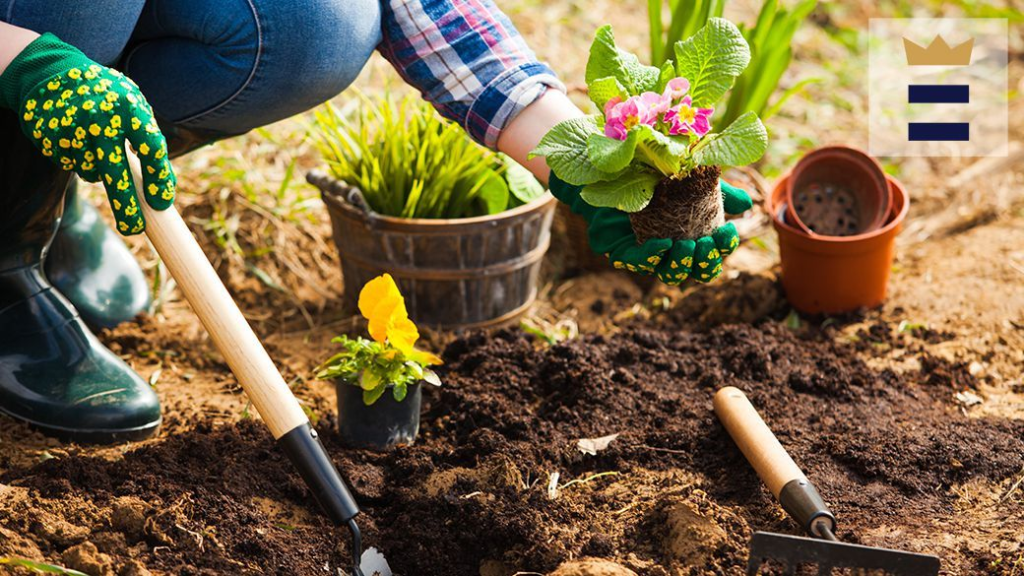
Choose well-draining potting soil to prevent water from accumulating around the roots. Most indoor plants for low light prefer soil that retains some moisture but does not stay soggy.
You can also use specialized indoor plant mixes for better results.
Step 4: Water Properly
Overwatering is one of the most common mistakes. Low-light plants generally need less water because they grow more slowly.
- Check the top inch of soil before watering
- Water only when the soil feels dry
- Ensure pots have drainage holes
Step 5: Maintain Proper Humidity
Many indoor plants for low light thrive in moderate humidity. If your environment is too dry, consider:
- Using a humidifier
- Placing a tray of water near plants
- Grouping plants together
Step 6: Clean the Leaves
Dust can block light absorption. Gently wipe the leaves with a damp cloth every few weeks to keep them clean and healthy.
Step 7: Rotate the Plants
Even in low light, plants tend to grow toward the light source. Rotate them occasionally to ensure even growth and prevent leaning.
Step 8: Fertilize Occasionally
Use a balanced liquid fertilizer every few months during the growing season. Avoid over-fertilizing, as low-light plants do not require heavy feeding.
Benefits of Indoor Plants for Low Light
- Improve indoor aesthetics by adding greenery to dim spaces
- Require less maintenance compared to high-light plants
- Adapt well to indoor environments
- Help reduce stress and improve mood
- Suitable for offices and apartments
- Can survive under artificial lighting
- Ideal for beginners learning plant care
- Enhance air freshness and comfort
Disadvantages / Risks
- Slower growth compared to high-light plants
- Overwatering risk due to reduced evaporation
- Limited flowering in many species
- Some plants may still struggle in extremely dark areas
- Susceptibility to root rot if not properly cared for
- Lower energy production due to limited light
Common Mistakes to Avoid
One major mistake is assuming low light means no light. Even indoor plants for low light need some level of illumination to survive.
Another common issue is overwatering. Because these plants grow slowly, they use less water. Excess watering can quickly lead to root rot.
Placing plants too far from any light source is also problematic. Even low-light plants need to be within reach of indirect light.
Ignoring signs of stress is another mistake. Yellowing leaves, drooping, or slow growth can indicate problems with light, water, or soil conditions.
Using the wrong soil or containers without drainage can harm plant health. Always ensure proper drainage to prevent water buildup.
Finally, neglecting regular care such as cleaning leaves or rotating plants can affect their overall growth and appearance.
FAQs
1. Can indoor plants for low light survive without sunlight?
No, they cannot survive without any light at all. However, they can thrive in indirect or artificial light conditions, making them suitable for dim spaces.
2. How often should I water low-light plants?
Watering frequency depends on the plant and environment, but generally, you should water when the top layer of soil feels dry. Overwatering should be avoided.
3. Are low-light plants good for bedrooms?
Yes, many indoor plants for low light are perfect for bedrooms. They require minimal care and can improve the overall ambiance of the room.
4. Do these plants grow slowly?
Yes, most low-light plants grow more slowly compared to plants in bright light. This is normal and not a cause for concern.
5. Can I use artificial light for these plants?
Yes, artificial grow lights or even regular indoor lighting can support the growth of indoor plants for low light.
6. What are the easiest low-light plants for beginners?
Some beginner-friendly options include snake plants, pothos, and ZZ plants. They are hardy and require minimal maintenance.
Expert Tips & Bonus Points
To get the best results from indoor plants for low light, always match the plant to your environment rather than trying to change your environment drastically. This approach ensures long-term success.
Use light-colored walls or reflective surfaces to enhance available light. Even small adjustments can make a difference in plant health.
Avoid frequent repositioning of plants. Stability helps them adapt better to their surroundings.
Consider using decorative pots with proper drainage inserts. This allows you to maintain aesthetics without compromising plant health.
Monitor seasonal changes. Light levels can vary throughout the year, so adjust care routines accordingly.
Lastly, patience is key. Low-light plants grow slowly, but with consistent care, they can thrive and remain healthy for years.
Conclusion
Indoor plants for low light offer an excellent solution for bringing greenery into spaces that lack bright sunlight. They are versatile, low maintenance, and suitable for a wide range of environments, from small apartments to office settings. By choosing the right plants and understanding their needs, anyone can successfully maintain a thriving indoor garden.
This guide has covered everything from the basics to advanced care tips, helping both beginners and intermediate plant enthusiasts improve their knowledge. With proper care, including correct watering, suitable soil, and adequate lighting, these plants can flourish even in challenging conditions.
While there are some limitations, such as slower growth and the need for careful watering, the benefits far outweigh the drawbacks. Indoor plants for low light not only enhance the visual appeal of a space but also contribute to a more relaxing and pleasant environment.
By avoiding common mistakes and following expert advice, you can enjoy healthy and vibrant plants all year round. Start small, stay consistent, and gradually expand your collection as you gain confidence. With time and care, your indoor space can transform into a beautiful, green sanctuary.
