

Introduction
Learning how to care for plants can transform your living space into a refreshing and calming environment. Whether you are keeping indoor plants on your desk or managing a small garden, proper plant care ensures healthy growth and long-lasting beauty. Many beginners feel confused about watering, sunlight, and soil requirements, but with the right knowledge, plant care becomes simple and enjoyable.
Plants are living organisms that respond to their environment. When you understand their needs, you can prevent common issues like yellow leaves, slow growth, or pest infestations. This guide is designed to help both beginners and intermediate plant lovers develop strong plant care habits.
In this article, you will learn how to care for plants step by step. From understanding basic plant needs to avoiding common mistakes, everything is explained in a practical and easy-to-follow way. By the end, you will feel confident in maintaining healthy plants at home or in your garden.
What is How to Care for Plants?
How to care for plants refers to the process of providing the right conditions for plants to grow, survive, and thrive. This includes proper watering, sufficient sunlight, suitable soil, and regular maintenance.
Plant care is not just about keeping plants alive. It involves understanding each plant’s specific needs and adjusting care routines accordingly. For example, indoor plants require different care compared to outdoor plants.
The process also includes monitoring plant health, trimming dead leaves, and protecting plants from pests and diseases. When done correctly, plant care leads to stronger roots, vibrant leaves, and healthy growth.
Why is How to Care for Plants Important?
Understanding how to care for plants is essential for maintaining their health and appearance. Without proper care, plants can quickly become weak and eventually die.
Plants also contribute to better air quality and mental well-being. A well-maintained plant can improve your mood and reduce stress levels. Moreover, caring for plants teaches patience and responsibility.
Proper plant care also saves money. When you take care of plants correctly, you do not need to replace them frequently. This makes it a cost-effective and rewarding hobby.
Detailed Step-by-Step Guide
Step 1: Choose the Right Plant
Start by selecting plants that match your environment.
- Consider light availability in your space
- Choose low-maintenance plants if you are a beginner
- Understand indoor vs outdoor plant requirements
Step 2: Understand Light Requirements
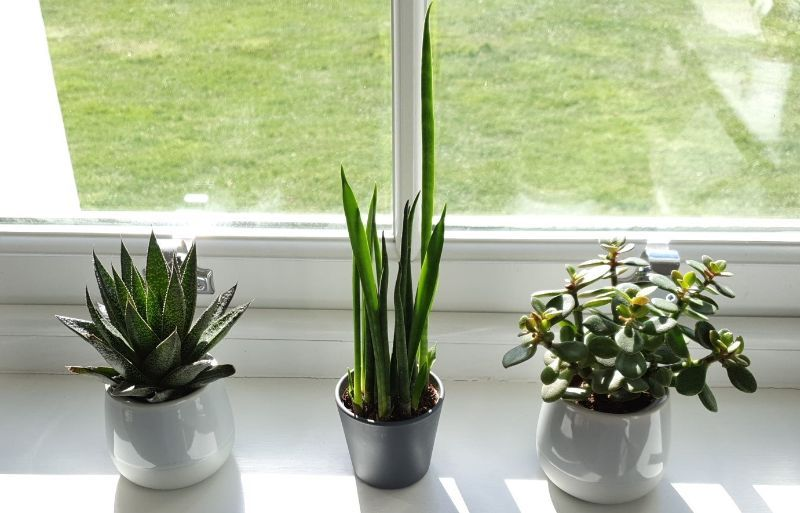
Light is one of the most important factors in how to care for plants.
- Place sun-loving plants near windows
- Keep shade plants away from direct sunlight
- Rotate plants occasionally for even growth
Step 3: Water Properly
Watering is often misunderstood.
- Check soil moisture before watering
- Avoid overwatering as it causes root rot
- Use pots with drainage holes
Step 4: Use Suitable Soil
Different plants require different soil types.
- Use well-draining soil for most indoor plants
- Add compost for nutrient-rich soil
- Avoid compacted soil that blocks airflow
Step 5: Maintain Proper Temperature
Plants thrive in stable temperatures.
- Keep indoor plants away from extreme heat or cold
- Avoid placing plants near air conditioners or heaters
- Maintain consistent room temperature
Step 6: Fertilize Regularly
Fertilizers provide essential nutrients.
- Use organic or balanced fertilizers
- Fertilize during growing seasons
- Avoid over-fertilizing
Step 7: Prune and Clean Plants
Pruning helps maintain plant health.
- Remove dead or yellow leaves
- Trim overgrown branches
- Clean leaves to remove dust
Step 8: Protect from Pests
Pests can damage plants quickly.
- Inspect leaves regularly
- Use natural pest control methods
- Isolate infected plants
Benefits of How to Care for Plants
- Improves air quality in your home
- Enhances mood and reduces stress
- Boosts indoor aesthetics
- Encourages responsibility and patience
- Supports better focus and productivity
- Helps create a peaceful environment
- Reduces noise levels in indoor spaces
Disadvantages / Risks
- Overwatering can damage roots
- Incorrect lighting can slow growth
- Pest infestations can spread quickly
- Requires time and regular attention
- Some plants may be toxic to pets
- Improper care can lead to plant death
Common Mistakes to Avoid
One of the biggest mistakes in how to care for plants is overwatering. Many people believe that more water means better growth, but this can actually harm the plant. Always check the soil before watering.
Another common mistake is ignoring light requirements. Placing a plant in the wrong lighting condition can cause weak growth or leaf damage. Understanding your plant’s light needs is essential.
Using the wrong soil is also a frequent issue. Some plants need well-draining soil, while others prefer moisture-retaining soil. Choosing the wrong type can affect root health.
Neglecting regular maintenance is another problem. Dust on leaves can block sunlight, and dead leaves can attract pests. Regular cleaning and pruning help maintain plant health.
Finally, over-fertilizing can burn plant roots. It is important to follow proper fertilizer instructions and avoid excessive use.
FAQs
1. How often should I water my plants?
The frequency depends on the plant type and environment. Generally, water when the top inch of soil feels dry. Avoid a fixed schedule and adjust based on weather conditions.
2. Can plants survive without sunlight?
Most plants need some level of light to survive. While some can tolerate low light, complete absence of sunlight can stop growth and eventually kill the plant.
3. What is the best soil for indoor plants?
Well-draining potting mix is ideal for most indoor plants. It allows proper airflow and prevents water from accumulating around roots.
4. How do I know if my plant is overwatered?
Signs include yellow leaves, soft stems, and a foul smell from the soil. Overwatering can lead to root rot if not addressed quickly.
5. Should I use fertilizer for all plants?
Most plants benefit from fertilizers during their growing season. However, the type and amount depend on the plant species.
6. How can I prevent pests on plants?
Regular inspection is key. Keep plants clean, avoid overwatering, and use natural remedies like neem oil to control pests.
Expert Tips & Bonus Points
To master how to care for plants, consistency is more important than perfection. Create a simple routine and follow it regularly.
Group plants with similar needs together. This makes watering and maintenance easier and more efficient. It also helps create a balanced environment.
Use pots with drainage holes to prevent water accumulation. Proper drainage is essential for healthy roots.
Observe your plants closely. Changes in leaf color or shape can indicate problems early. Quick action can prevent serious damage.
Seasonal care adjustments are also important. Plants may require less water in winter and more attention during summer.
Finally, start small. Instead of managing many plants at once, focus on a few and gradually expand your collection.
Conclusion
Understanding how to care for plants is a valuable skill that brings both practical and emotional benefits. With the right approach, anyone can maintain healthy and beautiful plants, regardless of experience level. The key is to learn the basic needs of plants and apply them consistently.
From choosing the right plant to providing proper light, water, and nutrients, each step plays a crucial role in plant health. Avoiding common mistakes and following expert tips can make a significant difference in your results. Over time, you will develop a deeper connection with your plants and understand their needs more intuitively.
Plant care is not just a task; it is a rewarding journey. It teaches patience, responsibility, and attention to detail. Whether you are growing indoor plants or maintaining a garden, the effort you put into caring for plants will always reflect in their growth and beauty.
By applying the knowledge shared in this guide, you can confidently take care of your plants and enjoy a greener, healthier environment every day.
