

Introduction
Plants bring life, color, and freshness into any space. Whether you are growing indoor houseplants or maintaining a small outdoor garden, understanding proper plant care tips is essential for long-term success. Many beginners struggle with keeping plants alive, often due to overwatering, poor lighting, or lack of knowledge about plant needs. However, with the right approach, anyone can become confident in caring for plants.
Plant care is not just about watering occasionally. It involves understanding soil health, sunlight exposure, humidity levels, and even seasonal changes. When these factors are managed correctly, plants grow stronger, look healthier, and become more resistant to pests and diseases. This guide is designed for both beginners and intermediate plant lovers who want to improve their skills.
In this article, you will learn practical plant care tips that are easy to follow and highly effective. From understanding the basics to advanced techniques, everything is explained in a simple and engaging way. By the end, you will have the knowledge needed to keep your plants thriving all year round.
What is Plant Care Tips?
Plant care tips refer to the set of practices and guidelines used to maintain the health and growth of plants. These tips include watering schedules, proper lighting, soil management, fertilization, pruning, and pest control. Each plant species has unique requirements, but the core principles of plant care remain similar.
For example, indoor plants like snake plants require less water compared to outdoor flowering plants. Similarly, some plants thrive in direct sunlight, while others prefer shade. Understanding these differences is key to successful plant care.
Plant care tips also involve observing plant behavior. Yellowing leaves, slow growth, or drooping stems are signs that something is wrong. By identifying these signs early, you can take corrective actions before the plant gets damaged.
Overall, plant care tips act as a roadmap that helps you provide the right environment for your plants to grow and flourish.
Why is Plant Care Tips Important?
Following proper plant care tips is important for several reasons. First, it ensures the survival of your plants. Without proper care, even the strongest plants can wither and die.
Second, good plant care improves growth and appearance. Healthy plants have vibrant leaves, strong stems, and better flowering. This enhances the beauty of your home or garden.
Another reason is cost efficiency. Plants can be expensive, and replacing them frequently due to poor care can add up. By applying effective plant care tips, you protect your investment.
Additionally, healthy plants improve air quality and create a calming environment. This is especially beneficial for indoor spaces where plants contribute to better well-being.
Lastly, plant care builds patience and responsibility. It teaches you to observe, adapt, and nurture living things, which can be a rewarding experience.
Detailed Step-by-Step Guide
Understanding Your Plant Type
Before applying any plant care tips, identify the type of plant you have. Different plants have different needs.
- Research whether your plant is indoor or outdoor
- Check its sunlight requirements
- Learn its watering frequency
Knowing your plant type helps you avoid common mistakes.
Choosing the Right Soil
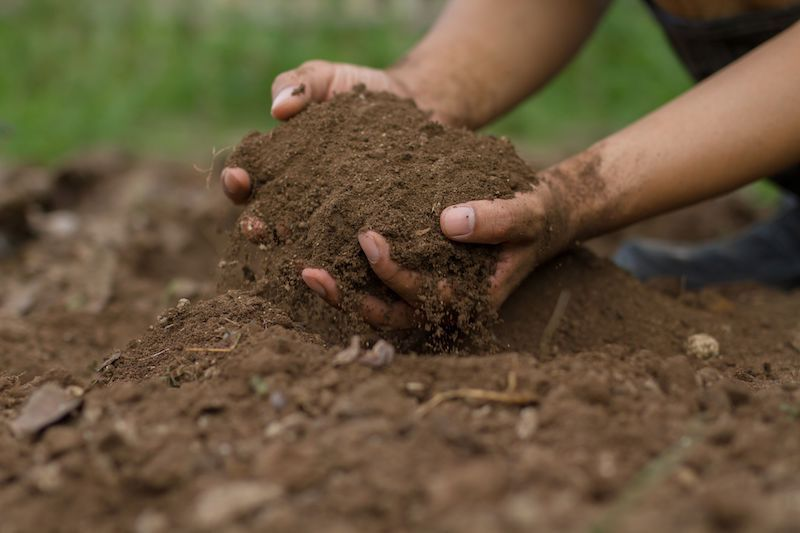
Soil plays a crucial role in plant health. Good soil provides nutrients and proper drainage.
- Use well-draining potting mix for indoor plants
- Add compost for outdoor plants
- Avoid compact soil that holds too much water
Healthy soil supports strong root development.
Watering Properly
Watering is one of the most important plant care tips. Both overwatering and underwatering can harm plants.
- Check soil moisture before watering
- Water deeply but less frequently
- Ensure pots have drainage holes
A simple rule is to water when the top inch of soil feels dry.
Providing Adequate Light
Light is essential for photosynthesis. Without enough light, plants cannot grow properly.
- Place plants near windows for natural light
- Use grow lights if needed
- Rotate plants regularly for even growth
Always match light conditions with your plant’s needs.
Maintaining Humidity Levels
Some plants require higher humidity, especially tropical ones.
- Mist leaves occasionally
- Use a humidity tray
- Group plants together to increase moisture
Proper humidity prevents leaf drying and improves growth.
Fertilizing Regularly
Fertilizers provide essential nutrients that soil may lack.
- Use balanced fertilizers during growing season
- Avoid over-fertilizing
- Follow recommended dosage
Feeding plants helps them grow faster and healthier.
Pruning and Cleaning
Pruning removes dead or damaged parts of the plant.
- Trim yellow or dry leaves
- Remove dead flowers
- Clean dust from leaves
This improves airflow and encourages new growth.
Protecting from Pests
Pests can damage plants quickly if not controlled.
- Inspect plants regularly
- Use natural pest control methods
- Isolate infected plants
Early detection is key to preventing serious damage.
Benefits of Plant Care Tips
- Improves plant health and longevity
- Enhances appearance and growth
- Reduces risk of diseases and pests
- Saves money by preventing plant loss
- Creates a relaxing and beautiful environment
- Boosts air quality indoors
- Increases confidence in gardening skills
Disadvantages / Risks
- Overcare can harm plants, especially overwatering
- Incorrect fertilization may damage roots
- Lack of knowledge can lead to poor results
- Time and effort are required regularly
- Some plants are sensitive and difficult to manage
Common Mistakes to Avoid
Many people make simple mistakes while caring for plants. Avoiding these can significantly improve results.
One common mistake is overwatering. People often assume more water means better growth, but this can cause root rot.
Another mistake is placing plants in the wrong light conditions. Too much or too little sunlight can weaken plants.
Using the wrong soil is also a problem. Poor drainage can suffocate roots and lead to plant death.
Ignoring pests is another issue. Small infestations can quickly spread if not treated early.
Lastly, inconsistent care routines can stress plants. Regular observation and maintenance are essential for success.
FAQs
How often should I water my plants?
Watering depends on the type of plant, soil, and environment. Generally, water when the top layer of soil feels dry. Avoid sticking to a strict schedule and instead monitor the plant’s needs.
Can plants survive without sunlight?
Most plants need sunlight for photosynthesis. Some can survive in low light, but they still require some level of indirect light to grow properly.
What is the best fertilizer for plants?
A balanced fertilizer with equal parts nitrogen, phosphorus, and potassium works well for most plants. However, specific plants may require specialized nutrients.
Why are my plant leaves turning yellow?
Yellow leaves can be caused by overwatering, poor drainage, lack of nutrients, or insufficient light. Identifying the exact cause helps in fixing the issue.
How do I know if my plant has pests?
Look for small insects, holes in leaves, sticky residue, or webbing. Regular inspection helps in early detection and control.
Should I repot my plants?
Yes, repotting is necessary when plants outgrow their pots. Signs include roots coming out of drainage holes or slow growth despite proper care.
Expert Tips & Bonus Points
To take your plant care skills to the next level, consider these expert plant care tips.
Always observe your plants closely. They communicate their needs through changes in appearance. Learning to read these signs can make a big difference.
Use quality pots with proper drainage. Good containers prevent water buildup and support healthy roots.
Keep a consistent routine. Regular watering, feeding, and inspection help maintain plant health.
Adjust care based on seasons. Plants may need less water in winter and more attention during growing seasons.
Experiment carefully. Try different methods but monitor results to understand what works best for your plants.
Lastly, be patient. Plant growth takes time, and consistent care will eventually show results.
Conclusion
Caring for plants is both an art and a science. By following effective plant care tips, you can create an environment where your plants not only survive but truly thrive. From understanding plant types to managing water, light, and nutrients, every step plays an important role in overall plant health.
Consistency is the key to success. Small daily actions, such as checking soil moisture or inspecting leaves, can prevent major problems in the future. Over time, you will develop a deeper connection with your plants and a better understanding of their needs.
While mistakes are part of the learning process, they also provide valuable lessons. By avoiding common errors and applying proven techniques, you can significantly improve your results. Whether you are growing plants indoors or outdoors, the principles remain the same.
In the end, plant care is a rewarding journey. It brings beauty, peace, and satisfaction into your life. By applying these plant care tips, you are setting yourself up for a successful and enjoyable gardening experience that will continue to grow over time.
