

Introduction
Home gardening has become increasingly popular as more people look for ways to connect with nature, improve their health, and create a peaceful environment at home. Whether you have a large backyard or a small balcony, gardening offers endless possibilities to grow plants, vegetables, and flowers right at your doorstep. It is not just a hobby but also a rewarding activity that brings both physical and mental benefits.
For beginners, starting a garden may feel overwhelming due to the variety of plants, tools, and techniques involved. However, with the right guidance and a few practical home gardening tips, anyone can build a thriving garden. Intermediate gardeners, on the other hand, often look for ways to enhance their gardening skills and improve plant health and productivity.
This guide is designed to provide clear, practical, and easy-to-follow home gardening tips that suit both beginners and experienced gardeners. From understanding the basics to learning advanced techniques, you will find everything you need to create and maintain a healthy garden. With patience, consistency, and proper planning, home gardening can become a fulfilling part of your daily life.
What is Home Gardening?
Home gardening refers to the practice of growing plants, vegetables, fruits, and flowers within the boundaries of your home. This can include backyards, front yards, rooftops, balconies, or even indoor spaces using pots and containers. It allows individuals to cultivate their own food and decorative plants without relying entirely on external sources.
Unlike commercial farming, home gardening focuses on small-scale production primarily for personal use. It often emphasizes organic methods, sustainability, and efficient use of space. People engage in home gardening for various reasons, including food security, environmental awareness, and personal satisfaction.
Modern home gardening also includes techniques such as container gardening, vertical gardening, and hydroponics. These methods make it easier for urban residents to grow plants even in limited spaces. Overall, home gardening is a flexible and accessible way to enjoy the benefits of growing your own plants.
Why is Home Gardening Important?
Home gardening plays a vital role in improving both individual well-being and environmental health. It encourages people to spend time outdoors, reduces stress, and promotes a healthier lifestyle.
One of the main reasons home gardening is important is access to fresh and organic produce. Growing your own vegetables ensures that they are free from harmful chemicals and pesticides. This leads to better nutrition and improved overall health.
Additionally, home gardening contributes to environmental sustainability. Plants help improve air quality, reduce carbon dioxide levels, and support biodiversity. Even a small garden can attract beneficial insects like bees and butterflies.
Economically, home gardening can help reduce grocery expenses. Growing herbs, vegetables, and fruits at home cuts down on frequent market visits. It also teaches valuable life skills such as patience, responsibility, and resource management.
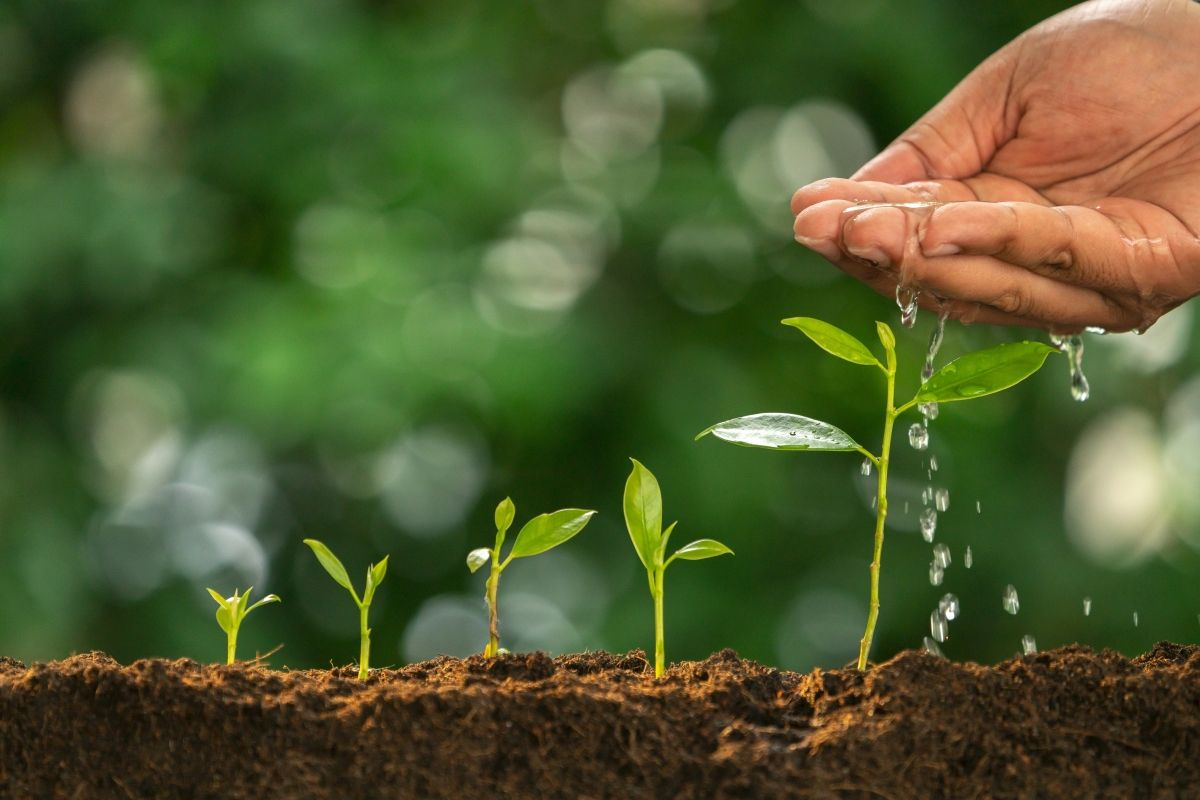
Finally, home gardening provides a sense of accomplishment. Watching your plants grow from seeds to full maturity brings satisfaction and boosts confidence.
Detailed Step-by-Step Guide
Choosing the Right Location
The success of your garden largely depends on selecting the right location. Most plants require at least 6–8 hours of sunlight daily. Observe your space and identify areas that receive sufficient sunlight.
Ensure the location has good drainage. Avoid places where water tends to accumulate, as this can damage plant roots. If space is limited, consider using containers or vertical gardening techniques.
Selecting Suitable Plants
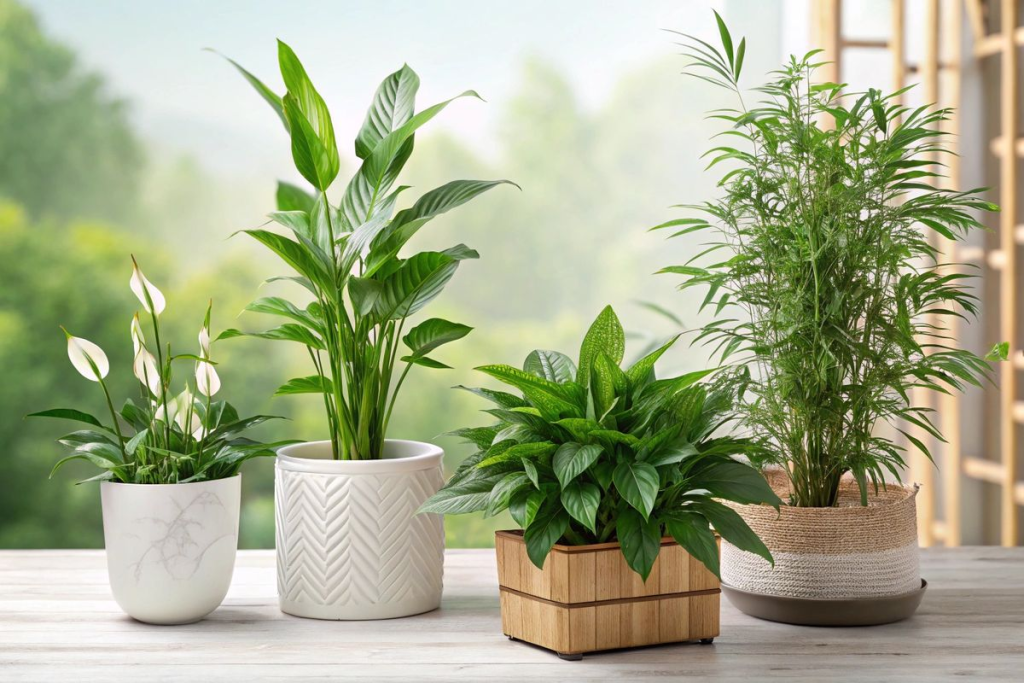
Choosing the right plants is essential, especially for beginners. Start with easy-to-grow plants such as herbs, leafy greens, and seasonal vegetables.
Consider your climate and soil conditions before selecting plants. Native plants often grow better because they are adapted to local conditions. For example, tomatoes, spinach, and mint are popular choices for home gardens.
Preparing the Soil
Healthy soil is the foundation of a successful garden. Begin by loosening the soil and removing weeds, stones, and debris.
Add organic matter such as compost or manure to improve soil fertility. This helps retain moisture and provides essential nutrients to plants. Testing the soil pH can also help determine if any adjustments are needed.
Planting Techniques
Follow proper planting techniques to ensure healthy growth. Sow seeds at the recommended depth and spacing as mentioned on seed packets.
For seedlings, gently place them in the soil and press lightly around the roots. Water immediately after planting to help them settle. Avoid overcrowding, as it can restrict growth and lead to diseases.
Watering Properly
Watering is a crucial aspect of home gardening. Different plants have different water requirements, but most prefer consistent moisture.
Water early in the morning or late in the evening to reduce evaporation. Avoid overwatering, as it can cause root rot. Use well-drained pots and soil to maintain proper moisture levels.
Providing Nutrients
Plants need essential nutrients to grow strong and healthy. Use organic fertilizers such as compost, vermicompost, or liquid fertilizers.
Apply fertilizers according to the plant’s needs. Over-fertilizing can harm plants, so it is important to follow recommended guidelines. Regular feeding ensures better growth and higher yields.
Pest and Disease Control
Pests and diseases can damage your garden if not managed properly. Inspect your plants regularly for signs of damage.
Use natural methods such as neem oil, soap sprays, or introducing beneficial insects to control pests. Remove infected leaves to prevent the spread of diseases. Maintaining cleanliness in the garden also helps reduce risks.
Pruning and Maintenance
Regular pruning helps maintain plant shape and encourages healthy growth. Remove dead or damaged branches to improve air circulation.
Weeding is another important task. Weeds compete with plants for nutrients and water, so remove them regularly. Mulching can help reduce weed growth and retain soil moisture.
Benefits of Home Gardening
- Provides fresh and chemical-free vegetables and fruits
- Reduces grocery expenses over time
- Improves mental health and reduces stress
- Enhances physical activity and fitness
- Promotes environmental sustainability
- Encourages healthy eating habits
- Beautifies your living space
- Supports biodiversity by attracting pollinators
Disadvantages / Risks
- Requires time and consistent effort
- Initial setup costs can be high
- Risk of pests and plant diseases
- Weather conditions can affect plant growth
- Limited space may restrict plant variety
- Overwatering or poor soil can damage plants
- Lack of knowledge can lead to failure
Common Mistakes to Avoid
One of the most common mistakes in home gardening is overwatering. Many beginners believe that more water means better growth, but this often leads to root rot.
Another mistake is choosing the wrong plants for your climate. Not all plants thrive in every environment, so it is important to select suitable varieties.
Ignoring soil quality is also a major issue. Poor soil lacks nutrients and affects plant health. Always invest time in preparing and maintaining good soil.
Overcrowding plants can limit their growth and increase the risk of diseases. Proper spacing allows better airflow and sunlight exposure.
Lastly, neglecting regular maintenance such as pruning and weeding can result in an unhealthy garden. Consistency is key to successful home gardening.
FAQs
1. How often should I water my plants?
The frequency of watering depends on the type of plant, soil, and climate. Generally, most plants need watering 2–3 times a week. Always check soil moisture before watering.
2. What are the easiest plants for beginners?
Some easy plants include basil, mint, spinach, tomatoes, and lettuce. These plants require minimal care and grow quickly, making them ideal for beginners.
3. Can I start gardening without a backyard?
Yes, you can start gardening on a balcony, rooftop, or even indoors using containers. Container gardening is perfect for small spaces.
4. How can I improve soil quality?
Adding compost, organic matter, and natural fertilizers can improve soil quality. Regularly turning the soil also helps maintain its structure.
5. What is the best time to start gardening?
The best time depends on your local climate. Generally, spring and early summer are ideal for starting most plants.
6. How do I protect plants from pests?
Use natural pest control methods such as neem oil, garlic spray, or introducing beneficial insects. Regular inspection also helps detect problems early.
Expert Tips & Bonus Points
Start small and gradually expand your garden as you gain experience. This helps you manage your plants more effectively and reduces the chances of failure.
Keep a gardening journal to track plant growth, watering schedules, and seasonal changes. This can help you learn from your experiences and improve over time.
Rotate crops regularly to maintain soil fertility and reduce pest issues. Crop rotation prevents nutrient depletion and keeps the soil healthy.
Use mulch to retain soil moisture and regulate temperature. It also helps reduce weed growth and improves overall plant health.
Invest in quality tools such as pruning shears, watering cans, and gloves. Good tools make gardening easier and more efficient.
Experiment with different plants and techniques to find what works best for your space. Gardening is a continuous learning process, and each season brings new opportunities.
Conclusion
Home gardening is a fulfilling and practical activity that offers numerous benefits for both individuals and the environment. Whether you are a beginner taking your first steps or an intermediate gardener looking to improve your skills, following the right home gardening tips can make a significant difference in your success.
By understanding the basics such as soil preparation, plant selection, and proper watering, you can create a strong foundation for your garden. Consistent care, regular maintenance, and a willingness to learn are essential for long-term success. Even small efforts can lead to noticeable improvements in plant health and productivity.
While there are some challenges, such as pests and weather conditions, these can be managed with proper planning and attention. The key is to stay patient and adaptable. Gardening is not about perfection but about growth and learning from experience.
In the end, home gardening is more than just growing plants. It is about creating a peaceful space, improving your lifestyle, and enjoying the simple pleasure of nurturing life. With dedication and the right approach, anyone can turn their home into a thriving green space.
